The Hidden Pathways to Instant Play: Registration, Funding, and Strategy Testing in Variant-Rich Mobile Roulette Setups

Players encounter multiple streamlined routes to begin sessions in variant-rich mobile roulette environments, where registration processes integrate directly with device verification systems. These pathways often rely on biometric data or existing digital wallet credentials to reduce entry steps, allowing accounts to activate within seconds rather than minutes. Observers note that such methods connect personal details to gaming platforms through secure APIs that pull information from financial institutions or telecom providers without requiring repeated form entries.
Registration Sequences in Mobile Environments
Account creation flows in these setups typically begin with a single tap that launches a verification module, pulling location data and device identifiers to confirm eligibility under regional rules. Research from industry reports indicates that many applications now embed identity checks into the initial download sequence, using facial recognition or fingerprint scans to link users to their profiles instantly. And because these steps merge with app store authentication, the transition from download to active play happens without separate login portals in most cases.
Yet some platforms layer additional safeguards, such as email or SMS confirmations, that run in the background while users explore demo modes. Data from mobile gaming analytics shows this hybrid approach maintains compliance while keeping momentum toward real-money access. Those who study user behavior patterns find that completing registration on the first attempt correlates with higher retention rates across European and North American markets.
Funding Mechanisms and Instant Transfers
Once accounts stand ready, funding pathways emphasize speed through integrations with digital wallets and bank APIs that process deposits in real time. Common options include instant bank transfers via services like those operated by major European providers, alongside cryptocurrency gateways that settle within blockchain confirmation windows of under a minute. Figures from the European Gaming and Betting Association reveal that such methods account for over 60 percent of mobile casino transactions in recent quarters, driven by reduced processing delays compared to traditional card routes.
Users select from pre-linked payment profiles stored in the app, triggering transfers that credit balances immediately upon authorization. This setup allows strategy testing to commence without interruption, as funds appear available for variant selection right away. What's notable is how these systems handle cross-currency conversions automatically, drawing on live exchange rates to maintain balance accuracy across regions.
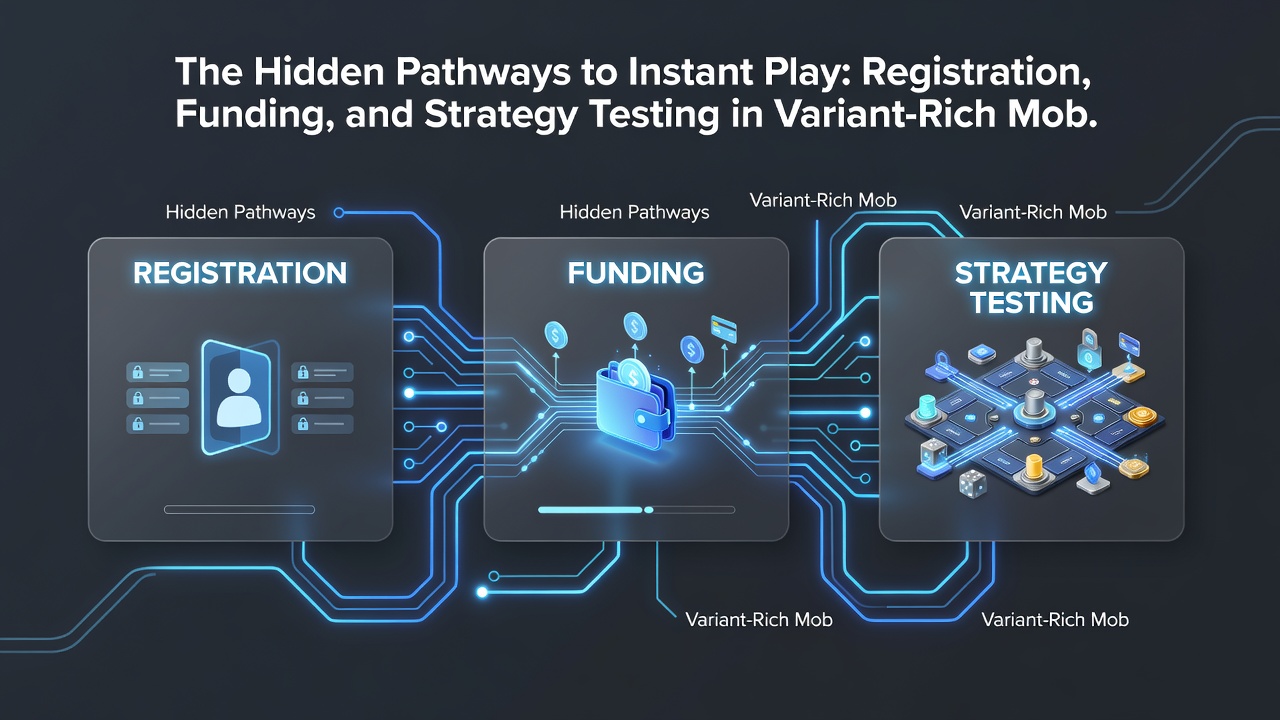
Strategy Testing Across Game Variants
Variant-rich mobile roulette environments present distinct wheel configurations, from single-zero European layouts to double-zero American versions and multi-ball French adaptations, each demanding tailored testing approaches. Players access free trial modes that mirror real gameplay mechanics exactly, enabling simulation of betting sequences like Martingale progressions or D'Alembert adjustments without financial exposure. Studies from university research groups on digital gaming indicate these trials help identify variance patterns unique to each setup, with data logs tracking spin outcomes over thousands of simulated rounds.
Testing often extends to live dealer streams integrated into the same app interface, where users observe real-time spins while practicing alongside recorded sessions. This dual access supports direct comparison of house edge impacts across variants, as statistical tools within the platform display running probabilities and payout distributions. In July 2026, platform updates introduced enhanced analytics overlays that overlay historical data from regulatory reports onto live feeds, giving testers clearer views of long-term trends without leaving the mobile session.
Observers note that combining these elements creates efficient pathways for refining approaches, particularly when apps allow seamless switches between variants mid-test. The process connects registration data to personalized recommendation engines that suggest variants based on prior trial results, streamlining the move from practice to funded play.
Integration of Security and Compliance Features
Security protocols run parallel to these pathways, employing end-to-end encryption on all registration and funding data exchanges. Regulatory frameworks in multiple jurisdictions require regular audits of these systems, ensuring mobile setups meet standards set by bodies like those in Australia and Canada for player fund protection. And because many applications now incorporate real-time monitoring for unusual patterns, they flag potential issues during strategy testing phases before real stakes enter the equation.
These features tie into broader ecosystem trends where apps pull compliance updates automatically, maintaining alignment with evolving rules without user intervention. Research indicates this background automation supports higher volumes of variant exploration while preserving data integrity across sessions.
Conclusion
The pathways described connect registration efficiency, funding speed, and variant-specific testing into cohesive mobile experiences that prioritize immediate access. Data from diverse sources continues to track how these elements evolve, particularly as platforms refine integrations in mid-2026. Those examining the sector find consistent emphasis on reducing friction points while upholding verification standards across global markets.