Smartphone Roulette Journeys: Game Types, Trial Modes, Quick Registrations, and Protected Transactions
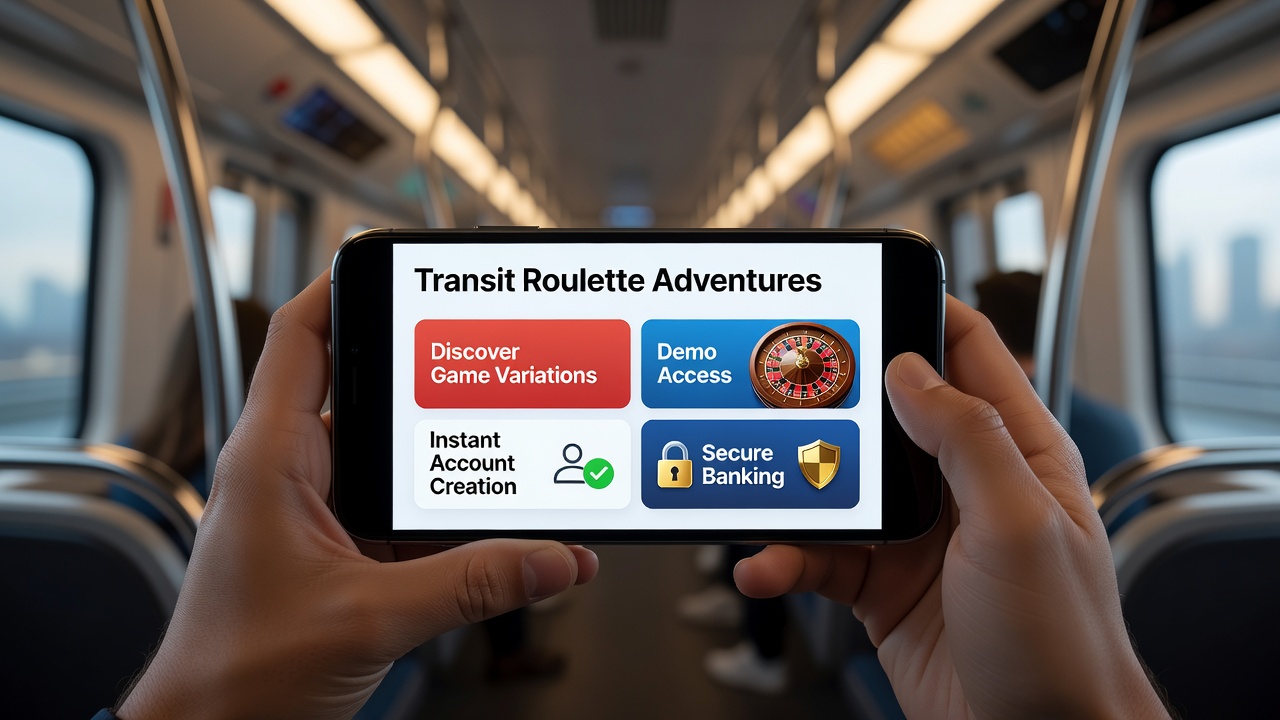
Smartphone-based casinos have expanded access to roulette through dedicated applications that support multiple game formats while users move between locations. Observers note that these platforms combine traditional wheel mechanics with digital enhancements, allowing players to engage during commutes or travel without fixed locations. Data from the Australian Gambling Research Centre shows steady growth in mobile gaming sessions throughout 2026, particularly in the summer months when outdoor activities increase.
Exploring Roulette Variations Available on Mobile
Applications deliver several roulette formats that adapt classic rules to smaller screens. European roulette appears frequently with its single zero layout, while American versions include the double zero for different payout structures. French roulette adds rules like en prison that modify player outcomes on zero results. Live dealer streams integrate real-time video from remote studios, connecting users to physical tables via their devices. Multiplayer options let several participants join the same wheel simultaneously, creating shared sessions across different time zones.
Research indicates that developers continue to release themed variants that incorporate bonus rounds or progressive jackpots tied to specific wheel outcomes. These additions maintain core spinning mechanics while introducing new betting layers that fit within app interfaces designed for quick interactions.
Accessing Demo Modes for Practice
Many smartphone applications provide free trial versions that replicate real game conditions without requiring deposits. Users can test wheel spins, place virtual bets, and review payout tables through these modes. Demo access often appears immediately after installation, allowing new participants to familiarize themselves with controls and rules before moving to funded play. Platforms track session data within trials to help users identify preferred variants and betting patterns over repeated spins.
Studies from the National Council on Problem Gambling highlight how trial features support informed decision-making by separating practice from financial commitment. August 2026 records showed increased downloads of apps that emphasize these no-cost options, especially among commuters seeking low-pressure entry points.
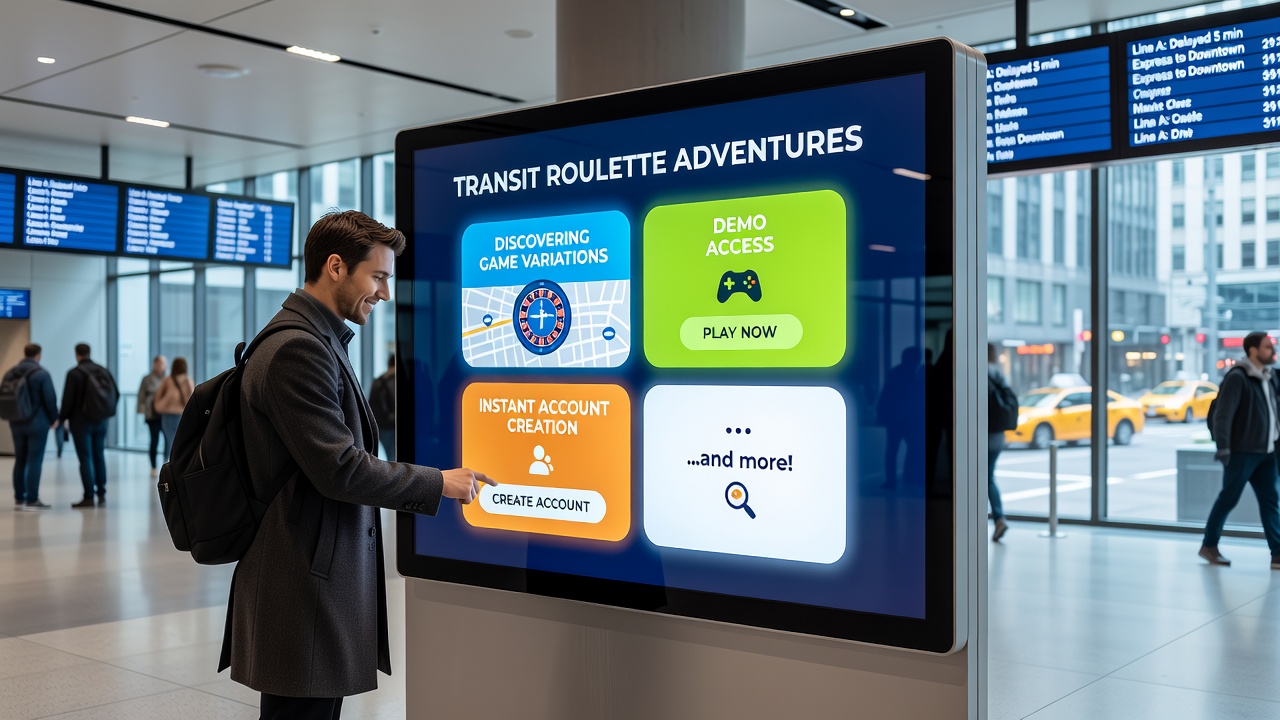
Instant Account Creation Processes
Registration flows on mobile casinos streamline setup through simplified forms that accept email or social login credentials. Verification steps often complete within minutes via automated checks on provided details. Some applications link directly to device biometrics for faster subsequent access, reducing repeated entry of passwords during short transit windows. Observers note that these systems maintain compliance with regional licensing requirements while minimizing delays between download and first play.
Instant creation tools frequently include optional preference settings for game alerts and deposit limits that users can adjust later through account dashboards. This approach supports quick onboarding without compromising required identity confirmation steps.
Secure Banking Options in Mobile Platforms
Smartphone casinos integrate multiple payment methods that prioritize encryption during transfers. Digital wallets connect through established services that handle transactions without exposing full card details. Bank transfers and prepaid options appear alongside these, each with distinct processing times ranging from immediate credits to standard settlement periods. Security protocols include two-factor authentication and real-time monitoring that flags unusual activity patterns.
According to reports from the Victorian Responsible Gambling Foundation, mobile platforms have adopted advanced tokenization methods that replace sensitive financial data with unique identifiers during each session. These measures operate consistently across devices, supporting safe deposits and withdrawals even on public networks during travel.
Integration of Features During Transit Use
Applications optimize interfaces for intermittent connectivity common in transit environments. Offline demo modes continue functioning when signals drop, while live dealer connections resume automatically upon reconnection. Banking functions pause during weak coverage and resume once stable connections return, preserving transaction integrity. Game variations load progressively to accommodate varying data speeds without interrupting ongoing sessions.
Those who study mobile gaming patterns report that these adaptations maintain continuity for users moving through areas with changing network availability. Features like quick spin buttons and simplified bet placement further align with short play intervals typical of commutes.
Conclusion
Smartphone casinos combine roulette variations, demo access, rapid registrations, and secure banking into unified mobile experiences that function across changing locations. Available data from multiple research sources confirms ongoing development of these integrated features through 2026, with particular emphasis on transit-friendly optimizations. The combination supports continued participation while maintaining operational standards across different regulatory regions.