Mapping New Horizons in Handheld Wheel Gaming: Onboarding Dynamics, Experimental Variants, Reward Mechanisms, and Transfer Securities
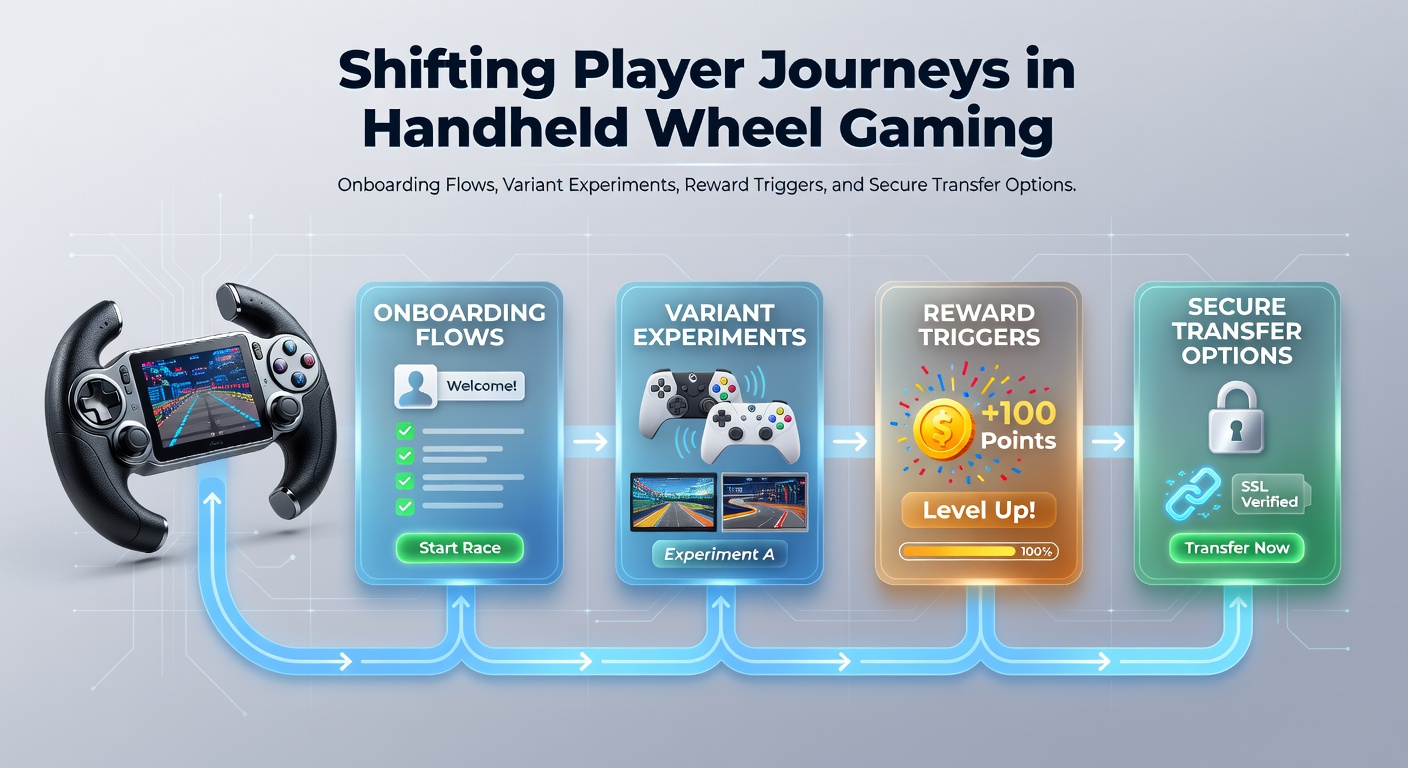
Player pathways in handheld wheel gaming have shifted noticeably as developers refine entry points, test new game forms, and integrate reward systems with reliable fund movement tools, and these changes gained momentum through early 2026 with fresh data emerging by May of that year. Observers note that mobile platforms now prioritize seamless sign-up sequences that reduce friction while maintaining compliance standards across regions.
Onboarding Flows in Pocket Devices
Entry processes for handheld wheel applications have evolved to include instant verification steps that combine device biometrics with quick account creation, and research from the International Gaming Institute shows these streamlined methods cut average setup time by nearly half compared to earlier desktop-focused models. Users often complete registration through a single tap sequence that pulls profile data from linked social accounts or payment services, yet the system still enforces age and location checks before allowing access to real-money play. Those who've studied these flows point out that tutorial overlays appear only when needed rather than forcing full walkthroughs upfront, which keeps engagement high from the first interaction.
Additional layers now guide players toward personalized settings during initial setup, such as preferred stake ranges or notification preferences, and data indicates that apps using adaptive onboarding retain users longer than rigid linear paths. In May 2026 reports highlighted how certain platforms introduced optional identity confirmation via government-issued digital IDs in select markets, which further speeds up approval while aligning with regulatory expectations outside the UK framework.
Variant Experiments Driving Engagement
Developers continue to experiment with wheel variants that alter core mechanics like segment sizes, multiplier placements, and side-bet structures, and one study revealed that testing these adjustments in live environments helps identify preferences across different player demographics. Handheld versions often feature compact interfaces that highlight rapid spin cycles or simplified rule sets tailored for shorter sessions, whereas full variants include live dealer integrations that mirror land-based experiences through high-quality streams. Players frequently discover hybrid options that blend classic wheel layouts with modern twists such as progressive jackpots or themed bonus rounds, and evidence suggests these experiments increase session duration when matched to user behavior patterns.
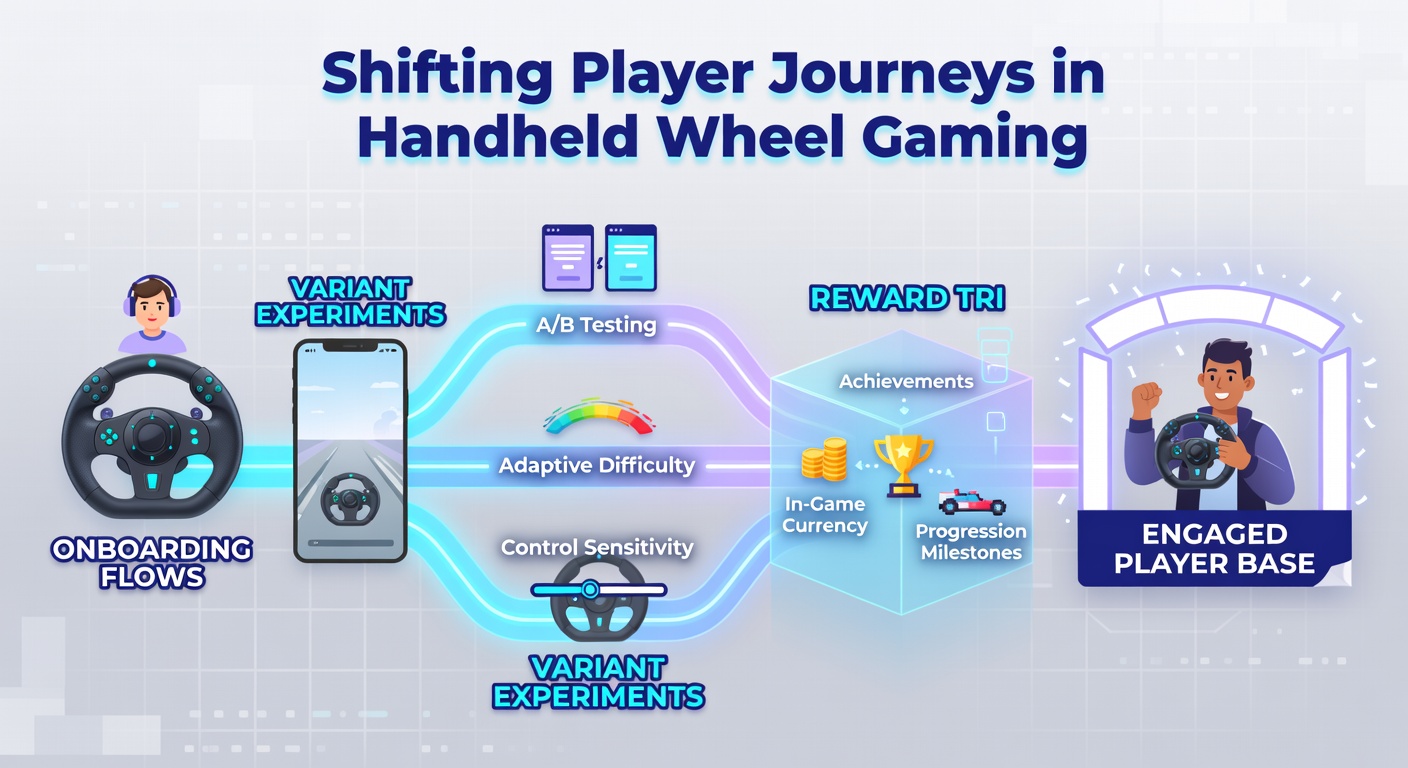
What's interesting is how A/B testing frameworks allow operators to roll out limited variants to specific user groups before wider release, and figures from industry tracking services show this approach reduces development waste while improving overall satisfaction metrics. Observers note that May 2026 brought several updates where new wheel configurations incorporated augmented reality overlays on supported devices, adding visual depth without complicating basic gameplay rules.
Reward Triggers and Incentive Structures
Reward systems in these applications activate through defined triggers such as consecutive spins, deposit milestones, or loyalty point accumulation, and analysts observe that well-timed incentives encourage continued play while complying with responsible gaming guidelines. Many platforms now embed progress trackers directly into the game screen so users see how close they are to unlocking the next bonus layer, and this visibility helps maintain momentum across sessions. Data from various markets indicates that reward triggers tied to specific variant choices often lead to higher conversion rates from free play to paid stakes compared to generic offers.
Additional mechanisms include time-limited challenges that reset daily or weekly, and researchers have found these create recurring engagement loops that fit naturally into commuting or downtime patterns common among mobile users. Secure integration with player accounts ensures rewards appear instantly upon trigger completion, reducing drop-off during the claim process.
Secure Transfer Options for Fund Movement
Transfer protocols have strengthened to include multi-factor authentication paired with encrypted channels, and reports from the Nevada Gaming Control Board highlight how these measures protect against unauthorized access during both deposits and withdrawals. Handheld platforms support a range of methods from digital wallets to bank transfers, with many now offering near-instant processing for verified accounts. Observers note that options like cryptocurrency gateways have expanded in certain regions, providing alternatives that appeal to users seeking faster settlement times without compromising audit trails.
Those monitoring industry trends point out that built-in spending limits and transaction histories give players clear oversight, which aligns with broader efforts to promote safer play environments. In practice, seamless transfers between game balances and external accounts reduce interruptions and keep the overall journey fluid from start to finish.
Conclusion
Shifts in player journeys continue to reshape handheld wheel gaming through refined onboarding, ongoing variant trials, responsive reward triggers, and robust transfer solutions, and these elements together create more connected experiences as platforms adapt to user habits observed in 2026. Continued monitoring of performance metrics will likely guide further refinements in the months ahead.