Integrating Payment Solutions, Account Activation, and Roulette Variations Across Mobile Gaming Environments
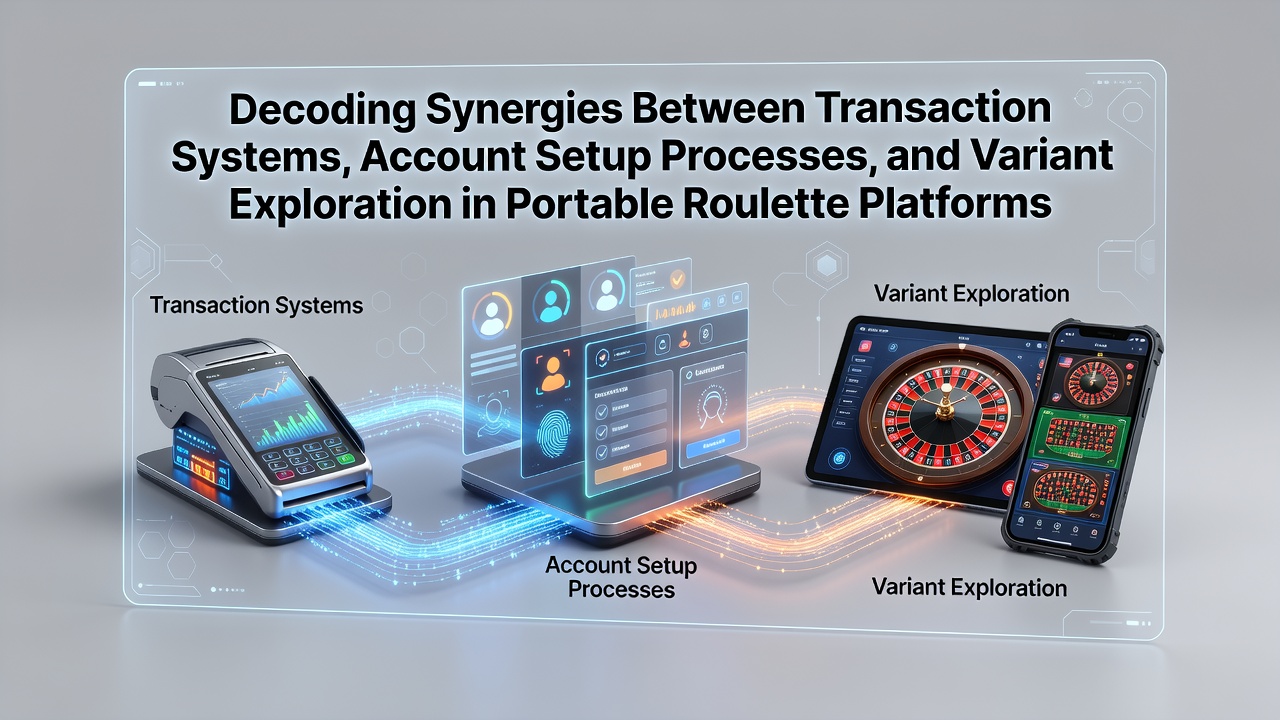
Portable roulette platforms coordinate transaction systems with account setup processes and variant exploration to create efficient user pathways; research from industry bodies shows these elements interact through shared data protocols that reduce friction during registration and initial deposits. Observers note that when payment gateways link directly to onboarding forms, users complete verification steps in fewer stages while accessing multiple game types without separate logins or fund transfers.
Transaction Systems and Their Role in Platform Architecture
Transaction frameworks in mobile roulette applications handle deposits, withdrawals, and balance updates through encrypted channels that sync with backend servers in real time; data from European gaming associations indicates average processing times dropped below three seconds in 2025 deployments. These systems often incorporate digital wallets alongside traditional banking methods, allowing users to select funding options during the initial account creation sequence rather than after profile completion.
Payment processors communicate with verification databases to confirm user details on the spot, which eliminates redundant data entry and supports immediate gameplay access across different roulette formats. Figures reveal that platforms employing unified transaction layers report higher retention rates because players move from deposit to variant selection without leaving the primary interface.
Account Setup Processes and Data Integration Points
Account activation sequences collect personal information, apply identity checks, and establish user profiles that feed directly into transaction and game modules; studies from Canadian regulatory bodies demonstrate that integrated setup flows cut completion time by up to 40 percent compared with standalone registration pages. The process typically begins with email or phone verification, then expands to include payment method linkage so funds appear in the account before variant exploration begins.
Developers design these flows to share API endpoints with both payment gateways and game libraries, ensuring that once a profile activates, users see tailored roulette options based on their location and preferred stake ranges. Observers highlight that such connectivity reduces support tickets related to missing balances or inaccessible variants, particularly during peak commute periods in July 2026 when mobile traffic spikes.
Variant Exploration and Its Connection to User Pathways
Roulette variants on portable platforms range from European single-zero wheels to American double-zero layouts and live dealer streams, each requiring distinct rule sets and payout structures; research papers from Australian academic institutions show players explore an average of three variants within the first session when navigation menus appear immediately after account funding. These options integrate with transaction logs so that bet histories track across different wheel types without manual record keeping.
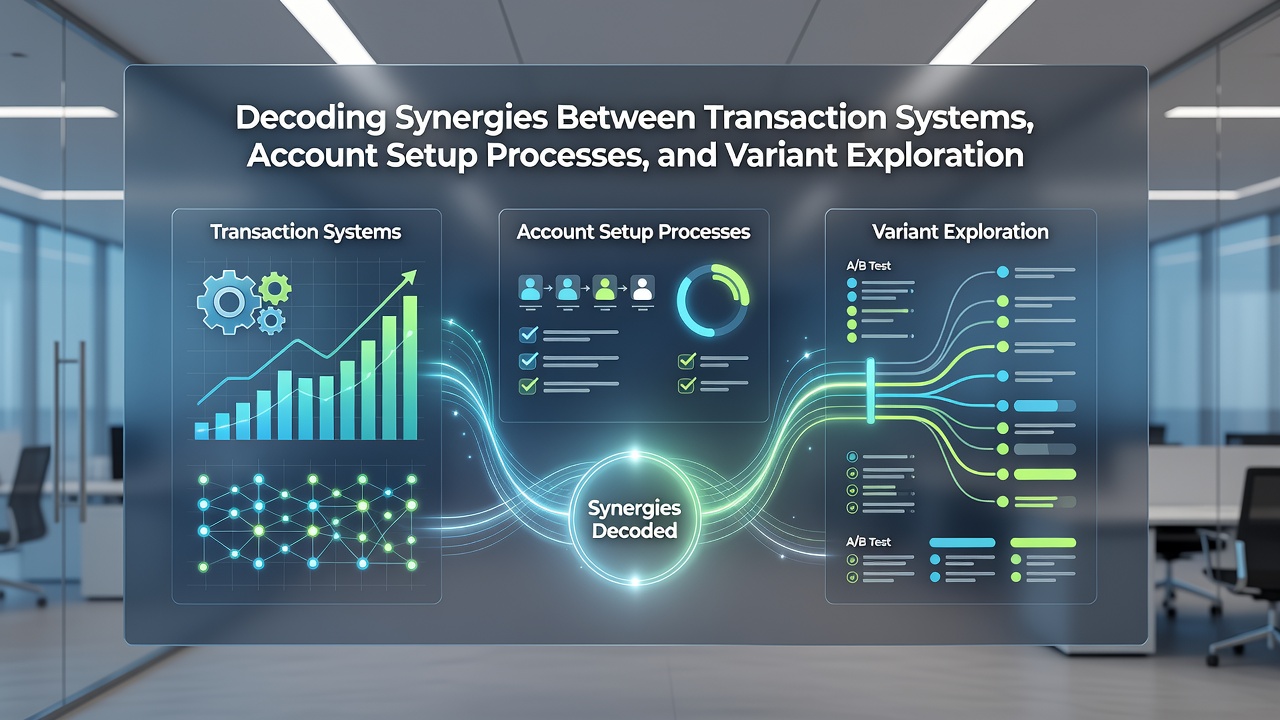
Exploration interfaces pull real-time data from both the transaction system and user profile to display stake limits and bonus eligibility tied to each variant; this synchronization allows players to switch between formats while maintaining consistent funding visibility. Industry reports note that platforms with linked variant menus experience longer session durations because users test multiple configurations without additional authentication steps.
Combined Effects on Platform Performance
When transaction systems, account setup, and variant exploration operate through shared infrastructure, overall platform metrics improve according to data compiled by North American gaming research centers. Reduced latency between deposit confirmation and game loading supports higher throughput during high-traffic windows, while unified security protocols maintain compliance across regions without duplicating verification efforts.
Users encounter fewer interruptions because profile data flows automatically to payment processors and game servers, creating a continuous experience from registration through variant selection. Reports indicate that these synergies also aid in fraud detection, since transaction patterns and game choices align within single user records for quicker anomaly identification.
Conclusion
The coordination among transaction systems, account setup processes, and variant exploration forms the operational backbone of portable roulette platforms, enabling streamlined interactions that researchers continue to document through performance metrics and user behavior studies. As mobile environments evolve, these interlinked components maintain consistent functionality across diverse regulatory landscapes and device types.