Inside the Transaction Layer of Pocket Roulette: How Payment Choices Unlock Game Variants and Bonus Structures
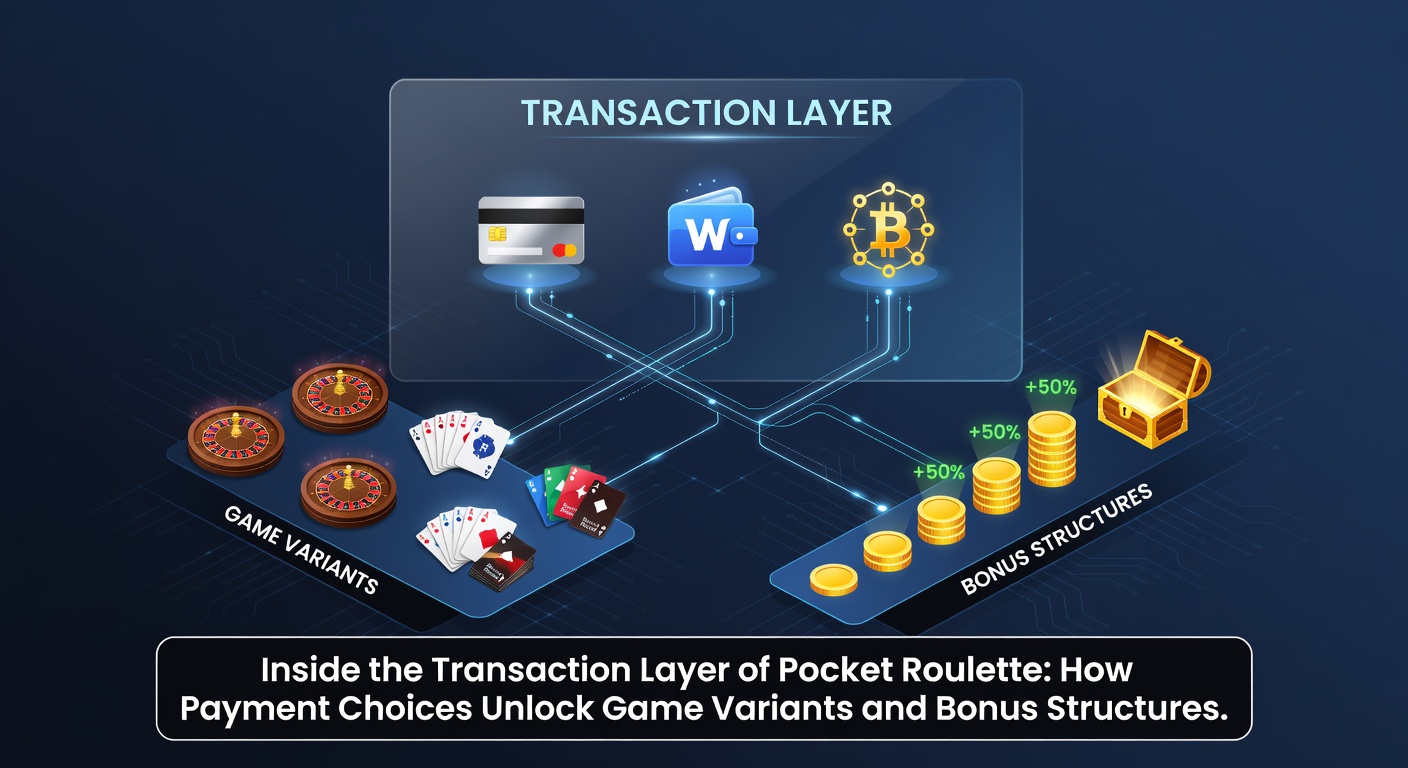
Payment processing sits at the core of pocket roulette applications where deposit methods directly shape access to specific wheel formats and promotional rewards, data from industry monitoring groups indicates that transaction pathways influence everything from European single-zero layouts to American double-zero configurations through tiered funding requirements.
Payment Infrastructure in Mobile Roulette Ecosystems
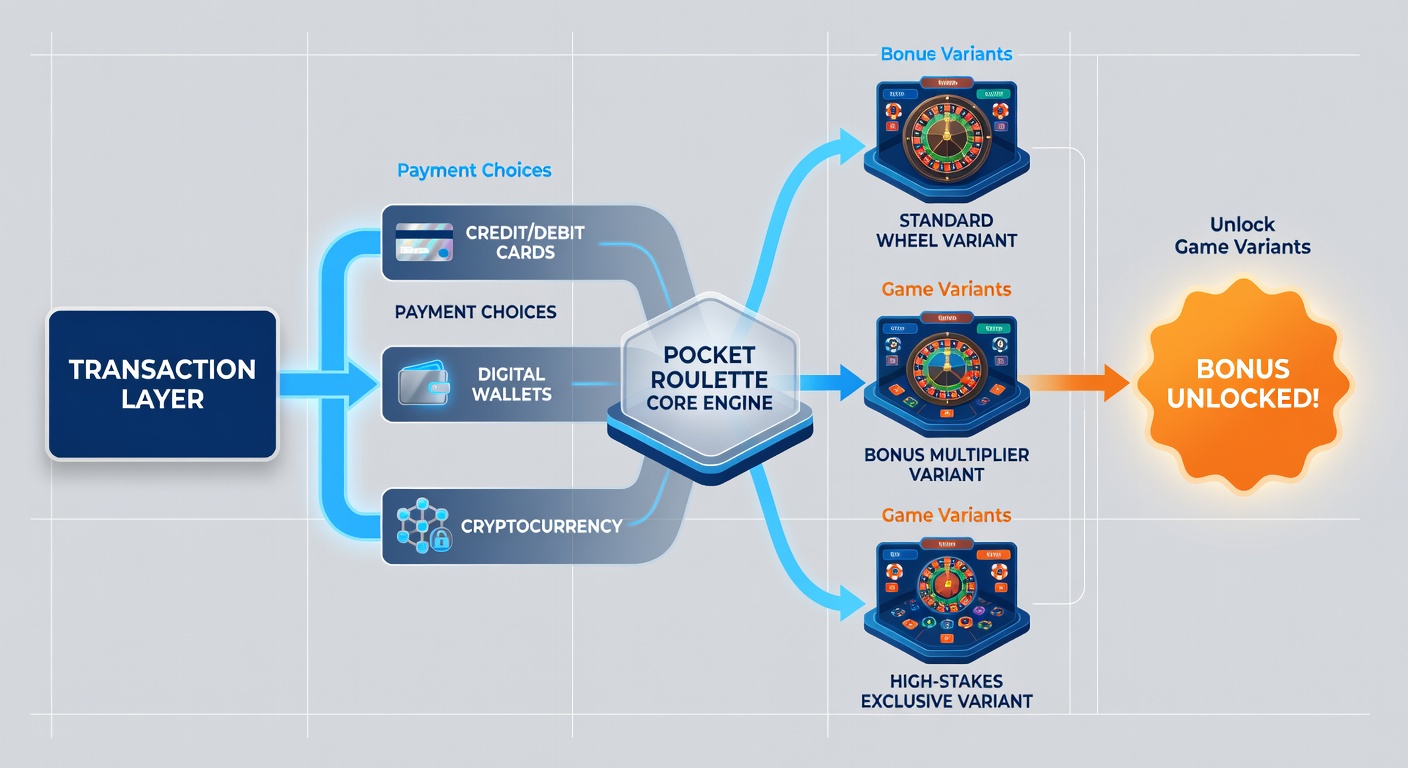
Application developers integrate multiple funding channels including credit cards, electronic wallets, bank transfers and emerging digital currencies, each channel carries distinct processing speeds and verification layers that operators tie to eligibility for certain game modes. Observers note that e-wallet deposits often bypass lengthy approval queues allowing immediate entry into live dealer streams while card transactions may route through additional security checks before unlocking full variant libraries.
Funding Speed and Variant Accessibility
Instant settlement methods grant quicker navigation toward French roulette options with their la partage rule whereas slower verification routes sometimes restrict users to standard European wheels until clearance completes, researchers at academic institutions studying digital gambling flows have documented how these timing differences create segmented player experiences based solely on chosen payment rails.
Bonus Structures Linked to Transaction Types
Promotional frameworks frequently scale rewards according to deposit origin with cashback percentages and free spin allocations varying by method, figures from regional gaming associations reveal that cryptocurrency inflows in June 2026 attracted elevated match bonuses in multiple platforms compared to traditional card entries due to reduced processing overhead for operators. Those who examine transaction logs find that recurring wallet deposits trigger loyalty multipliers that card users must accumulate over longer periods to match.
Take one documented case where a platform adjusted its bonus matrix mid-year so that PayPal-funded accounts received variant-specific credits for American roulette tables while bank wire users accessed only base European editions until cumulative spend thresholds cleared. Such mechanics demonstrate direct correlation between payment selection and structural game access rather than random distribution.
Regulatory Context Around Payment-Game Linkages
Authorities in multiple jurisdictions require clear disclosure of how deposit methods affect promotional terms yet enforcement varies, data compiled by the Australian Gambling Research Centre shows that transparent mapping of payment pathways to bonus tiers reduces player disputes by measurable margins while Canadian oversight bodies emphasize audit trails that track every funding source to its corresponding game and reward activation. Platforms operating across borders therefore maintain separate ledgers for each region to satisfy divergent compliance demands.
Emerging Trends in June 2026
Integration of real-time blockchain verification appeared in several pocket roulette titles during June 2026 allowing crypto deposits to trigger instant variant switches including hybrid wheels that blend rule sets from multiple traditions, industry reports indicate these updates coincided with expanded bonus pools reserved exclusively for verified digital asset transfers. Observers tracking adoption rates note that players using traditional rails continued accessing core variants without interruption though their bonus ceilings remained lower until additional verification steps completed.
Security Layers Within Transaction Flows
Encryption protocols and two-factor authentication wrap every deposit regardless of method yet the depth of monitoring intensifies for larger sums routed through certain channels, experts at the Responsible Gambling Council have tracked how these graduated security measures prevent fraud while simultaneously gating advanced bonus structures behind successful identity confirmation. Players who complete enhanced checks via bank-linked wallets gain earlier entry to progressive jackpot variants compared to those relying on unverified card entries.
What's interesting is the way transaction metadata itself becomes a decision factor in variant distribution, algorithms parse deposit frequency and origin country to assign temporary access codes that unlock limited-time game modes tied directly to funding behavior. This creates dynamic catalogs where the same user might see different roulette options on consecutive days based solely on payment choices made in the interim.
Conclusion
Transaction architecture determines the practical boundaries of pocket roulette participation by connecting payment selection to both game variant availability and bonus eligibility matrices, evidence from multiple regulatory and research sources confirms that operators design these linkages to balance operational efficiency with compliance obligations. As digital funding options continue expanding the mapping between deposit rails and playable structures will likely grow more intricate yet remain anchored in verifiable processing data rather than arbitrary assignment.