How Funding Channels Influence Access to Diverse Wheel Games and Strategic Tools in Smartphone Casinos
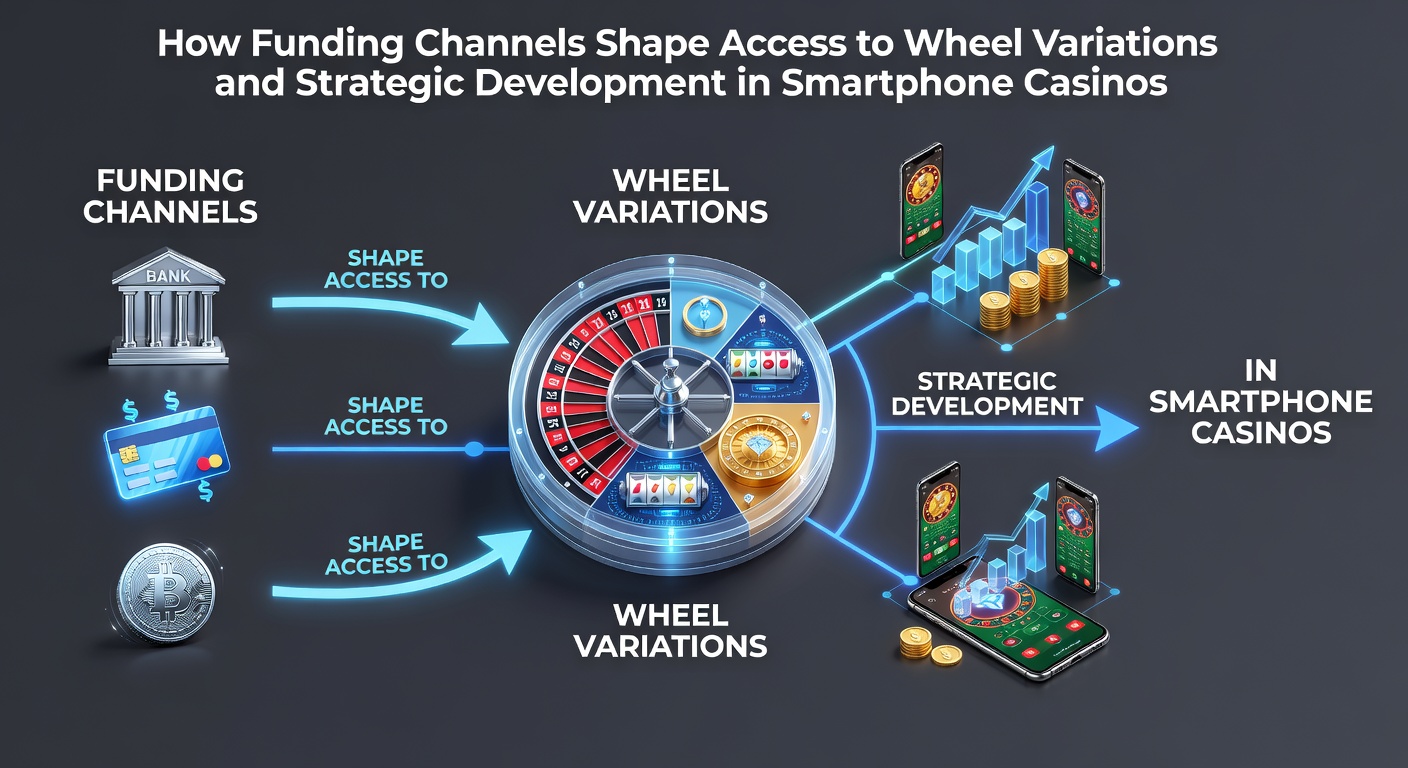
Payment methods in smartphone casinos determine which roulette variants become available to players, and they also shape how strategies develop over time. Different deposit channels carry distinct fees, processing speeds, and regional restrictions that filter access to game types such as European, American, or live-dealer wheels. As of May 2026, industry tracking shows mobile users who rely on instant bank transfers or certain digital wallets encounter wider variant selections compared with those limited to traditional card payments.
Research from the Nevada Gaming Control Board indicates that transaction speed directly correlates with the range of wheel formats offered inside apps. Faster funding options reduce the friction between depositing and entering higher-stake tables, allowing players to test multiple variants in quick succession. Slower methods often restrict users to demo modes or basic single-zero wheels until verification clears.
Deposit Speed and Variant Unlocking Patterns
Observers note that e-wallet services and instant bank links frequently unlock premium live-dealer streams and multi-wheel formats within minutes of funding. In contrast, credit card deposits can trigger additional compliance checks that delay access for up to 48 hours in some jurisdictions. This timing gap influences which strategic approaches players can rehearse, since certain variants reward specific betting systems that require repeated live play to refine.
Data from the Australian Institute of Family Studies reveals similar patterns across Asia-Pacific markets where digital wallets dominate. Players using these channels report earlier exposure to French roulette rules and racetrack layouts, features that remain locked behind slower payment verification in other regions. The result appears in usage logs that show accelerated progression from free-spin trials to real-money strategy testing when funding clears quickly.
Regional Regulations and Payment Filters
Regulatory frameworks in different countries impose varying rules on accepted funding sources, which in turn affects wheel variation availability. Canadian provincial regulators, for instance, require certain transaction records before high-volatility American wheel tables become active inside apps. These requirements create geographic differences in strategic development because players in one province practice different bet sizing and bankroll management techniques than users elsewhere.
Meanwhile, Singapore’s Ministry of Home Affairs maintains strict oversight on cross-border payment channels. Apps serving that market often limit complex multi-wheel formats to users who fund through locally approved bank transfers, narrowing the set of tactics that can be explored during any single session. Researchers at the National University of Singapore have documented how these restrictions steer mobile users toward simpler outside-bet strategies rather than the inside-number combinations common in less restricted markets.

Strategic Tool Development Tied to Funding Flexibility
Flexible funding channels support repeated small deposits that let players experiment with progressive betting systems across multiple wheel variants. When transaction costs stay low and processing remains instant, users can shift between European single-zero layouts and triple-zero novelty wheels without significant overhead. This fluidity encourages the testing of hybrid strategies that combine elements from several variants, something harder to sustain under slower or costlier payment conditions.
Industry reports compiled by the European Gaming and Betting Association highlight that players with access to multiple approved wallets develop broader tactical repertoires. They move more easily between conservative bankroll preservation methods suited to high-house-edge wheels and aggressive progression systems viable only on lower-edge formats. The same reports note that limited funding options correlate with narrower strategy sets focused on single-variant repetition.
Future Tracking and Platform Adjustments
Platform operators continue to adjust variant libraries based on the dominant payment methods observed in each region. In markets where cryptocurrency transfers gained traction by early 2026, developers added more experimental wheel configurations because rapid, low-fee deposits supported higher testing volumes. Conversely, regions still dominated by card-based funding see slower rollout of new variants while compliance layers remain in place.
Conclusion
Funding channels act as gatekeepers that decide both the breadth of roulette variants accessible on smartphones and the depth of strategic experimentation possible. Payment speed, regional rules, adn transaction costs combine to create measurable differences in how players encounter and master wheel formats. Continued monitoring through May 2026 and beyond will show whether emerging channels further widen or narrow these access patterns across global mobile casino platforms.