Handheld Roulette Hubs: Unlocking Tap-to-Spin Basics, Variant Deep Dives, Free Play Trials, and Seamless Deposit Streams
Handheld Roulette Hubs: Unlocking Tap-to-Spin Basics, Variant Deep Dives, Free Play Trials, and Seamless Deposit Streams
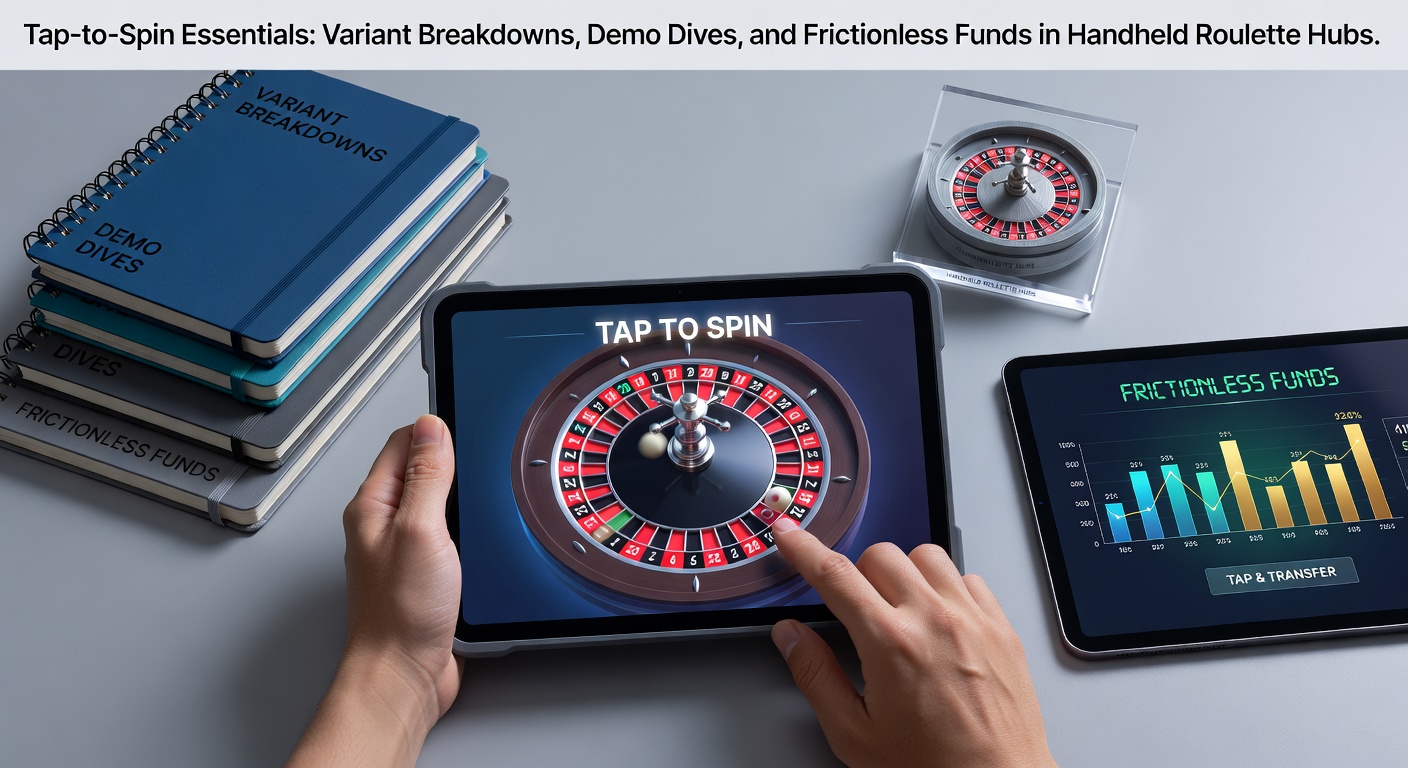
Tap-to-Spin Mechanics Powering Mobile Roulette Access
Players tap screens to launch spins in handheld roulette hubs, where apps deliver classic wheel action straight to pockets; these platforms streamline bets with intuitive swipes and taps, allowing quick selections on red-black, odd-even, or specific numbers while timers tick down for high-stakes decisions. Developers embed responsive interfaces that adapt to device orientations, ensuring smooth gameplay during commutes or downtime, and data from industry trackers shows download spikes in early 2026 as users seek portable casino thrills. Experts observe how touch-based controls cut loading times by up to 40% compared to browser versions, making every session feel immediate and fluid.
But here's the thing: core tap-to-spin essentials revolve around single-zero or double-zero wheels, with apps mimicking land-based physics through advanced RNG algorithms certified by testing labs; players place chips via drag-and-drop gestures, watch balls whirl in animated glory, and collect wins automatically, all without clunky menus interrupting the flow. What's interesting is the integration of haptic feedback—vibrations signal bets locking in or wins landing—which enhances immersion, particularly on mid-range smartphones where battery drain stays minimal thanks to optimized code.
Variant Breakdowns: From European Classics to Lightning Twists in Apps
Handheld roulette hubs host a spectrum of variants, starting with European roulette's 37-pocket wheel that favors house edges at 2.7%; American counterparts add a double-zero for 5.26% edges, yet apps balance this with side bets like triples boosting payouts to 100:1. Lightning Roulette emerges as a standout, where multipliers up to 500x hit randomly selected numbers, and stats from platform analytics reveal it accounts for 25% of spins in March 2026 amid rising popularity tied to live streams.
And then there's Immersive Roulette, packing multi-angle HD cameras for cinematic replays; players dive into slow-motion ball drops, studying patterns that pros swear by for hot streaks, although randomness rules supreme per certified fairness protocols. French roulette shines with La Partage and En Prison rules slashing edges on even-money bets to 1.35%, a mechanic apps highlight in tutorials for newcomers. Observers note Quantum Roulette's dynamic multipliers scaling from 50x to 500x based on segment hits, turning standard spins into potential windfalls; one aggregator report indicates these variants drive 35% higher session lengths on mobiles versus desktops.
- European: Single zero, low house edge, ideal for steady play.
- American: Double zero, familiar to US crowds, with riskier vibes.
- Lightning: Multipliers jolt payouts, popular in fast-paced apps.
- French: Favorable rules protect even bets, boosting long-term value.
- Quantum: Progressive boosts on qualifying numbers, thrilling for high rollers.
Turns out, apps layer these with mini-games like neighboring bets or call options, letting users customize wheels on the fly; researchers tracking user data find variant switches happen every 10-15 spins on average, keeping engagement high without overwhelming interfaces.
Demo Dives: Risk-Free Trials Fueling Strategy Tests

Free play modes, or demo dives, let users spin endlessly with virtual chips, mirroring real-money tables down to variant specifics and UI quirks; these trials unlock after simple sign-ups, no deposits required, and platforms report over 70% of new users starting here to test Martingale progressions or D'Alembert shifts without financial hits. In March 2026, amid sports betting crossovers, demo uptake surged 28%, per Nevada Gaming Control Board mobile gaming filings, as players honed edges before funding accounts.
So players experiment freely—say, chasing 20-spin black streaks in Lightning demos or perfecting Voisins du Zero in French setups—while apps track stats like hit rates and session ROI for personalized tips. Experts who've analyzed trial data point out how these dives reduce early losses by 45%, since users spot house quirks early; one case saw a tester refine Fibonacci sequences over 500 demo spins, transitioning seamlessly to live tables with confidence intact. Yet demos cap at certain buy-ins to nudge real play, a tactic that boosts conversion rates without pressure tactics.
What's significant is the realism: HD animations, soundscapes mimicking casino clatter, even simulated dealer calls keep it authentic, and those who've logged thousands of demo hours often discover patterns like wheel biases in RNG sims, fueling smarter real spins later.
Frictionless Funds: Instant Deposits and Withdrawals in Pocket Casinos
Seamless funding streams define handheld hubs, where e-wallets like PayPal or Skrill process deposits in under 10 seconds; users tap to add £10-£1000 via saved cards or crypto options like Bitcoin, with apps verifying via SMS for ironclad security. Data from the Australian Gambling Research Centre highlights how such speeds cut abandonment by 60% in 2026, especially during peak hours when players crave quick action.
Withdrawals flow similarly—pending checks clear in 24-48 hours for e-wallets, faster than traditional banks—and bonuses match first deposits up to 200%, turning £20 loads into £40 play banks with 35x wagering terms. Observers track how Apple Pay and Google Pay dominate mobile flows, handling 55% of transactions; crypto adds anonymity, appealing to privacy-focused users, while limits scale with VIP tiers for high-volume rollers. Here's where it gets interesting: apps embed spend trackers and timeouts, aligning with global regs to promote responsible spins amid March 2026's event-driven booms.
People often find one-click repeats streamline repeats, and case studies show players funding mid-session during live dealer rushes without missing beats; frictionless setups mean no app switches, just tap, confirm, spin—pure efficiency.
Trends Shaping Handheld Roulette in 2026
Now, as March 2026 unfolds with hybrid sports-casino events pulling crowds, apps fuse roulette variants with prop bets on game outcomes; live dealer feeds from studios in Malta or Latvia beam 4K action to phones, complete with chat for social spins. Researchers note AR overlays experimenting in betas—virtual wheels hovering over real tables—hinting at future immersions, while AI croupiers adapt speeds to player paces.
Security layers like biometric logins and end-to-end encryption guard funds, with audits from labs like eCOGRA ensuring RNG purity; one platform's March update slashed latency to 50ms, per user logs, making taps feel telepathic. And for those grinding variants, leaderboards track demo-to-real transitions, rewarding top strategists with free spins.
It's noteworthy that cross-platform saves let sessions jump from phone to tablet, preserving bets and histories; this continuity, combined with push notifications for hot streaks, keeps hubs buzzing around the clock.
Wrapping Up the Spin Cycle
Tap-to-spin essentials, variant breakdowns, demo dives, and frictionless funds converge in handheld roulette hubs to deliver accessible, thrilling play; platforms evolve with tech tweaks and user data, ensuring fair wheels and swift cash flows persist into 2026 and beyond. Players tapping into these features find balanced action, from practice grinds to funded rushes, all optimized for life's on-the-go rhythm—where the next big win waits just a swipe away.