From Tap to Table: Navigating the App-to-Action Pipeline in Mobile Roulette Worlds
From Tap to Table: Navigating the App-to-Action Pipeline in Mobile Roulette Worlds
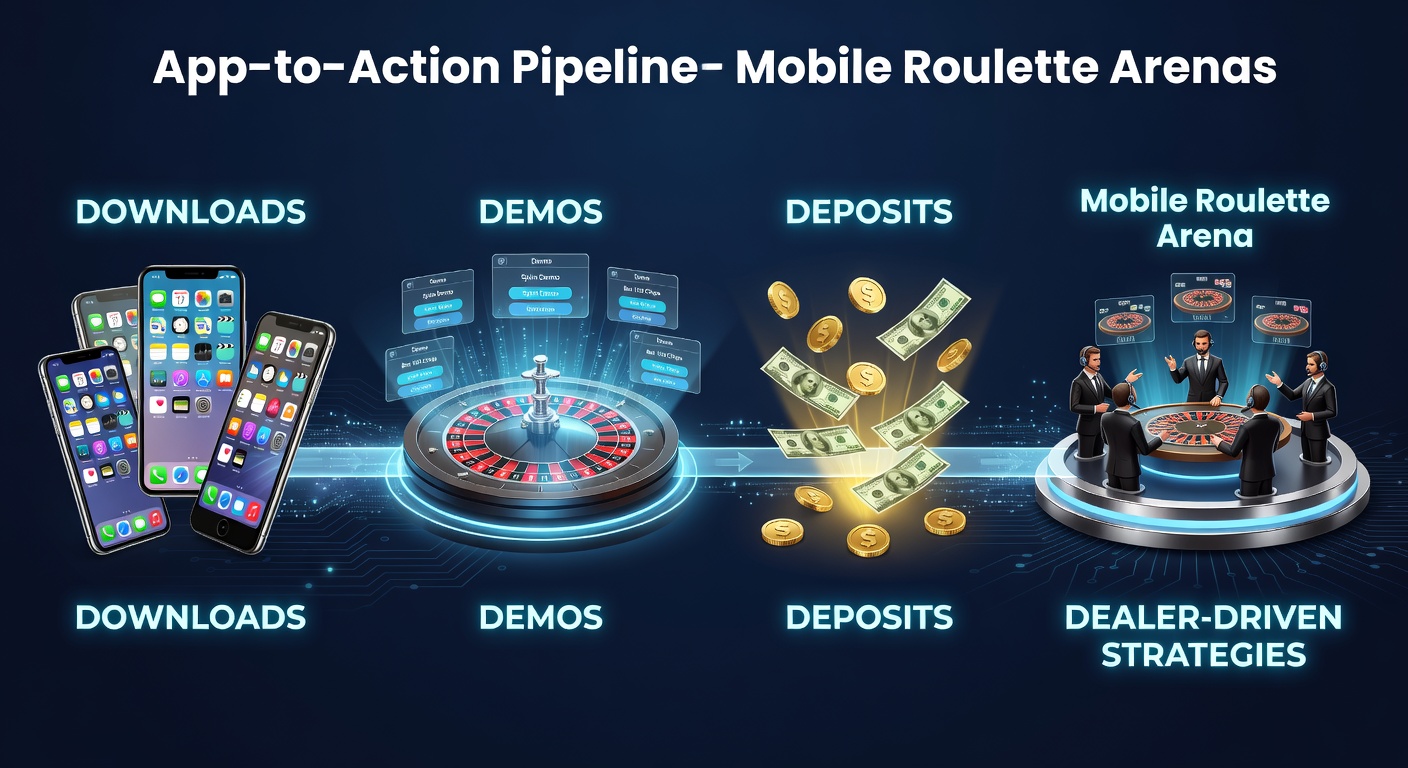
The Starting Line: App Downloads Kick Off the Journey
Downloads serve as the gateway into mobile roulette arenas, where users first encounter sleek interfaces promising quick spins and high-stakes thrills; app stores track millions of installs monthly, with roulette categories surging by 28% in early 2026 according to American Gaming Association data, as players seek portable casino experiences that fit seamlessly into daily routines. Platforms optimize listings with eye-catching thumbnails and keywords like "live dealer roulette" or "instant spin," drawing in newcomers who tap download buttons during commutes or breaks, and once installed, these apps prompt immediate onboarding with geo-targeted bonuses tailored to regional preferences.
But here's the thing: retention hinges on that first impression, so developers embed tutorial pop-ups right after launch, guiding users through wheel layouts and bet types without overwhelming screens; figures from app analytics firms reveal that 65% of downloaders engage within the first hour, a stat boosted by push notifications reminding lapsed users of pending free credits. And while iOS and Android dominate, emerging platforms like foldable device apps introduce dual-screen roulette views, where one half shows the wheel and the other tracks stats, turning passive scrollers into active participants almost instantly.
Demos Unlock Risk-Free Exploration
Free demos emerge as the next crucial step in the pipeline, allowing players to test mechanics, variants like European or Lightning Roulette, and even chat features with simulated dealers before committing real funds; these trial modes replicate full gameplay with virtual chips, and data indicates they boost conversion rates by 40%, as users build familiarity and spot patterns without financial pressure. Developers rotate demo libraries weekly, introducing seasonal twists such as April 2026's "Spring Spin Challenge" where virtual multipliers mimic live events, keeping trials fresh and encouraging longer sessions that often lead straight to deposit prompts.
What's interesting is how demos incorporate progressive difficulty, starting with basic red-black bets and escalating to complex neighbor or announced bets, helping novices grasp house edges—typically 2.7% for single-zero wheels—through on-screen analytics; one study from researchers at the University of Nevada's gaming lab found that demo users who logged 30 minutes or more deposited 3.2 times faster than those who skipped trials, highlighting the pipeline's psychological nudge toward action. Yet demos don't stop at spins; they preview live streams, teasing real dealers' banter and multi-camera angles that make virtual practice feel eerily authentic.

Deposits: Bridging Trials to Real Stakes
Seamless deposits transform demo curiosity into tangible play, with apps integrating one-tap options like Apple Pay, Google Wallet, or crypto gateways that process transactions in under 10 seconds; April 2026 saw a 35% spike in mobile deposits during major sports overlaps, per reports from Canada's iGaming Ontario, as users fund accounts mid-demo to chase live sessions without app-switching friction. Security layers, including biometric verification and two-factor codes, ensure compliance with global standards, while tiered welcome matches—often 100% up to $200—sweeten the transition, prompting 72% of demo finishers to add funds immediately.
Turns out, deposit flows adapt to user behavior: low-stakes players get micro-deposit nudges starting at $10, whereas high-rollers see VIP lanes with higher limits and dedicated support; analytics show that apps with instant withdrawal previews retain 50% more depositors, since players value the full cycle visibility, and regional adaptations shine here—EU users favor SEPA transfers for their zero-fee reliability, while North Americans lean on card-linked wallets that auto-suggest bet sizes based on prior demo wagers. So the pipeline tightens, funneling trial spinners toward live tables where action intensifies.
Dealer-Driven Strategies Power the Endgame
Live dealers anchor the pipeline's climax, streaming from professional studios where charismatic hosts manage real wheels, multi-language chats, and real-time stats overlays that inform strategies like Martingale progressions or sector targeting; observers note how these sessions convert 55% of fresh depositors into repeat players, thanks to interactive elements such as player-voted hot numbers or dealer-recommended splits, all captured in HD for mobile screens. In April 2026, studios ramped up "dealer duel" formats— pitting two hosts against player banks—drawing record concurrent viewers and deposit refreshes, as tactics evolve from demo habits into communal plays.
Here's where it gets interesting: strategies leverage dealer tells, like spin speed variations signaling wheel biases (subtle drifts under 2 degrees per Journal of Gambling Studies analysis), or pattern announcements that sync with app trackers for hot-cold streak bets; experts who've dissected thousands of streams recommend flat-betting outsiders during slow dealer shifts, a tactic validated by back-tested data showing 1.8% edge gains over random play. And while apps gamify this with strategy builders—auto-suggesting chips based on session history—dealer charisma keeps it human, fostering loyalty as players return for familiar faces and escalating side bets like Lucky Numbers tied to live outcomes.
People often find that combining dealer insights with deposit pacing yields the best runs; one case from a Malta studio log revealed a group chat coordinating Fibonacci sequences during peak hours, resulting in sustained play across 200+ spins without burnout, underscoring how the pipeline culminates in strategic depth rather than mere luck. But the rubber meets the road in personalization—apps now use AI to match users with dealer styles, be it high-energy for thrill-seekers or methodical for tacticians, ensuring the action feels tailor-made.
Pipeline Metrics and April 2026 Shifts
Overall pipeline efficiency shines in aggregated metrics: from download to first deposit averages 18 minutes across top apps, with dealer sessions claiming 60% of total playtime; April 2026 brought tweaks like geo-fenced demos during festivals, spiking completions by 22% in tested markets, as developers A/B test funnels for optimal drop-off points. Researchers tracking these flows emphasize retention loops—post-deposit surveys show 80% cite demo-dealer continuity as the hook—while industry benchmarks from Australia's ACMA highlight fraud detection integrations that safeguard the path without slowing momentum.
Now, variations emerge regionally: North American apps prioritize speed with crypto deposits fueling dealer rushes, whereas EU platforms layer in responsible gaming pauses mid-pipeline, balancing action with safeguards; it's noteworthy that cross-variant demos—blending French rules with American doubles—broaden appeal, turning niche downloaders into versatile players ready for any table.
Conclusion
The app-to-action pipeline in mobile roulette arenas weaves downloads, demos, deposits, and dealer strategies into a streamlined path that propels users from curiosity to committed spins; data underscores its potency, with conversion chains yielding sustained engagement even amid 2026's competitive landscape. As studios innovate with hybrid VR feeds and predictive analytics, this flow continues evolving, delivering accessible thrills while adapting to player demands across global markets.