Flexible Transactions and Rapid Onboarding Drive Mobile Casino Growth in 2026
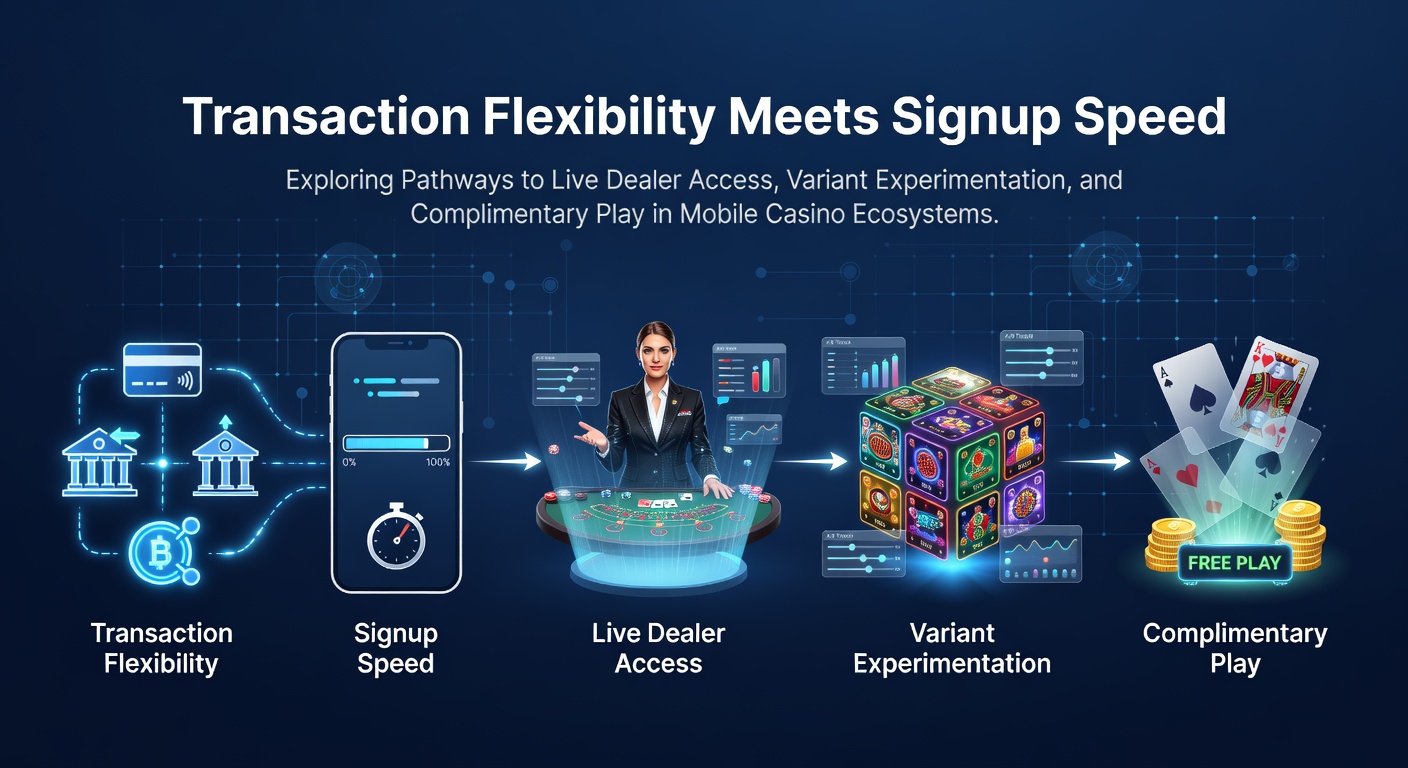
Platforms continue to refine how users move from registration to active play through streamlined processes that balance security requirements with convenience, and data from industry reports in early 2026 highlights measurable shifts in user retention tied to these improvements.
Signup Acceleration Techniques Across Mobile Ecosystems
Operators integrate biometric verification alongside traditional document uploads so that account creation often completes within minutes rather than hours, while single sign-on options through established digital wallets further reduce friction. Research from the Canadian Centre for Policy Alternatives indicates that jurisdictions with clear digital identity frameworks see higher completion rates for initial onboarding steps compared to regions relying solely on manual checks.
Users encounter fewer mandatory fields at the first stage, with progressive verification allowing limited access until full compliance is confirmed, and this layered approach supports experimentation with different game types before financial commitments occur.
Transaction Options and Their Role in Live Dealer Pathways
Multiple funding methods coexist on the same platform, ranging from instant bank transfers to cryptocurrency options that settle in seconds, which enables direct entry into live dealer environments without extended waiting periods. Observers note that platforms offering these varied channels report increased activity in real-time table games, since players can adjust stakes or switch variants mid-session when liquidity remains fluid.
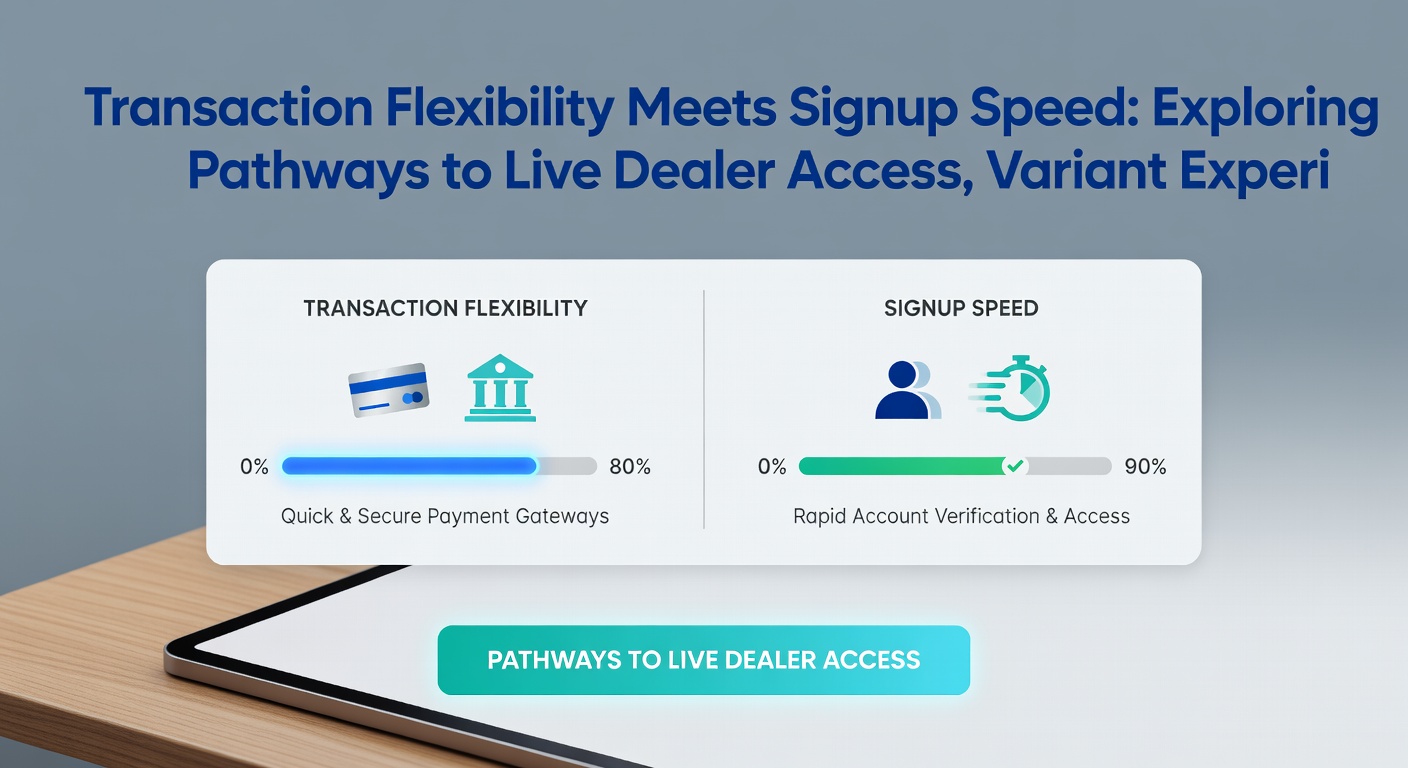
Payment processors integrated at the application level handle currency conversions automatically, reducing errors that previously interrupted play, and statistics released by the American Gaming Association in May 2026 show a correlation between diverse transaction menus and longer session durations across mobile titles.
Variant Experimentation Supported by Complimentary Access
Demo modes remain available alongside live dealer streams, allowing users to test rule variations and interface adjustments before committing real funds, which in turn informs decisions about deposit amounts. Developers embed these trial features directly within the main application rather than routing players to separate web pages, maintaining continuity between free and paid experiences.
Seasonal updates in May 2026 introduced additional hybrid variants that blend elements from multiple table games, and platforms that provided immediate complimentary access to these new releases recorded quicker uptake among existing account holders. The structure encourages systematic exploration without financial risk, while transaction flexibility ensures that any transition to live play happens seamlessly once preferences solidify.
Security Measures Integrated into Speed-Focused Systems
Encryption protocols operate in the background during both signup and transaction stages, meeting standards set by regional regulators without adding visible delays for users. Multi-factor authentication evolves to include device-based prompts that activate only when unusual patterns appear, preserving the rapid flow for standard sessions.
Compliance teams monitor these processes through automated dashboards that flag anomalies in real time, ensuring that speed enhancements do not compromise the integrity of live dealer connections or variant testing environments. Data indicates that platforms maintaining this balance sustain higher engagement metrics over successive quarters.
Conclusion
Integration of flexible payment systems with accelerated registration continues to shape how mobile casino users reach live dealer tables and test game variants through complimentary channels. Developments tracked through May 2026 demonstrate consistent patterns across different regulatory landscapes, where these combined features support broader participation while adhering to established verification requirements.