Exploring Wallet Integration Pathways and Variant Selection in Live Roulette Apps for Frequent Travelers
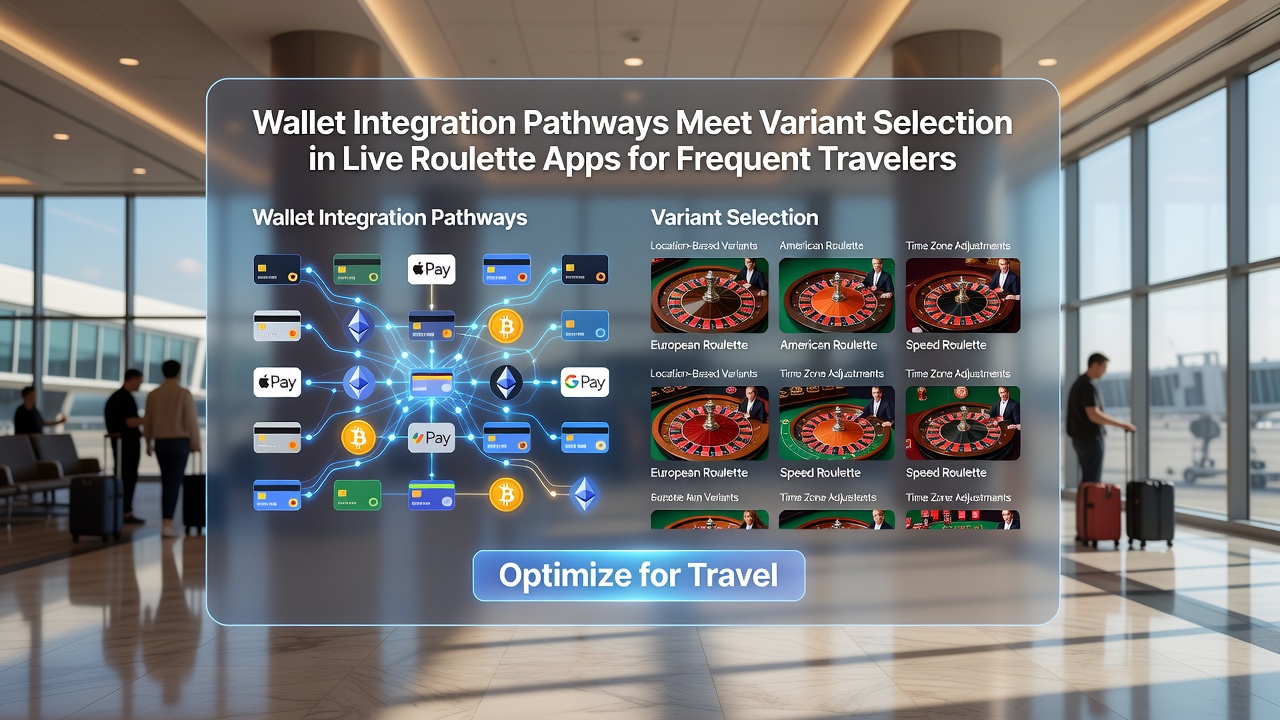
Wallet integration pathways have evolved to support seamless cross-border transactions in live roulette applications, while variant selection allows users to choose between European, American, and French roulette formats based on house edge preferences and regional availability. Frequent travelers encounter specific challenges with currency conversion, transaction speed, and regulatory compliance across jurisdictions, and these factors influence both payment method selection and game variant decisions within the same application environment.
Payment Infrastructure in Mobile Roulette Environments
Digital wallet systems connect directly to live roulette platforms through API frameworks that handle real-time balance updates and multi-currency processing, which proves essential for users moving between countries with differing financial regulations. Data from the European Gaming and Betting Association indicates that integrated e-wallet solutions processed over 62 percent of mobile casino transactions in 2025, with continued growth projected through mid-2026 as more applications adopt instant settlement protocols. Travelers benefit from reduced foreign exchange fees when applications support local currency pairings, yet the availability of specific wallet providers varies by market due to licensing agreements and banking partnerships.
Applications designed for mobility often incorporate layered authentication methods, including biometric verification alongside wallet credentials, to maintain security during international connections. Observers note that these systems reduce login friction while complying with know-your-customer requirements enforced by operators in multiple regions. As of July 2026, several platforms expanded support for regional digital payment services in Asia-Pacific markets, enabling travelers to fund accounts without relying solely on traditional card networks.
Variant Options and Their Technical Requirements
Live roulette variants differ in wheel configuration and betting layout, with European versions featuring a single zero and French versions adding additional rules such as la partage that affect payout structures. American variants include both zero and double zero positions, creating a higher house edge that some applications highlight through statistical displays within the interface. Selection mechanisms within apps allow users to filter variants by live dealer availability, table limits, and language options, which becomes relevant when travelers access streams from different time zones.
Technical specifications for streaming quality and minimum connection speeds remain consistent across variants, yet certain providers optimize European and French tables for lower latency in specific geographic regions. Researchers at academic institutions studying mobile gaming patterns have documented that users frequently switch variants within a single session based on current table occupancy and observed payout frequencies displayed in real-time statistics panels.
Intersection of Wallets and Game Choices for Mobile Users
Wallet capabilities directly affect which variants remain accessible during travel, because some payment methods carry regional restrictions that limit entry to certain live dealer tables. Applications address this by displaying variant availability alongside accepted funding sources, allowing users to identify compatible combinations before initiating deposits. Industry reports show that integrated wallet dashboards within roulette apps now include filters for transaction history tied to specific game types, helping frequent travelers track spending patterns across different formats.
Multi-currency wallets enable automatic conversion at point of deposit, which supports uninterrupted play when users transition between variants hosted on servers in separate regulatory zones. Travelers who maintain balances in multiple currencies through these systems encounter fewer interruptions when switching from a high-limit French roulette table to a standard European configuration. Application developers continue to refine these pathways to accommodate fluctuating exchange rates and network conditions encountered during transit.
Regulatory Considerations Across Borders
Compliance frameworks differ between jurisdictions, requiring applications to adjust both wallet verification processes and variant offerings based on user location data. Operators licensed under frameworks outside the United Kingdom, such as those overseen by the Malta Gaming Authority or the Nevada Gaming Control Board, implement geofencing that restricts certain variants while permitting wallet transactions through approved channels. Frequent travelers must navigate these variations, and applications provide location-based prompts that update available options without requiring manual intervention.
Studies conducted by research groups focused on digital payment adoption reveal that users traveling through multiple regulatory environments prefer applications with unified wallet interfaces that abstract away jurisdiction-specific requirements. These interfaces display clear indicators of which variants remain accessible under current licensing conditions, reducing confusion during short stays in different countries.
Conclusion
Wallet integration pathways continue to shape how users select and access live roulette variants within mobile applications built for frequent travel. The combination of multi-currency support, real-time compliance checks, and variant filtering creates environments where transaction methods and game choices operate as interconnected features rather than separate components. As platforms refine these systems through 2026, the alignment between payment infrastructure and variant availability supports consistent access across changing locations and regulatory landscapes.