Commuter Strategies for Mobile Roulette: Exploring App Downloads, Core Rules, Strategy Development, Demo Modes, Live Dealer Options, Game Variants, and Payment Methods
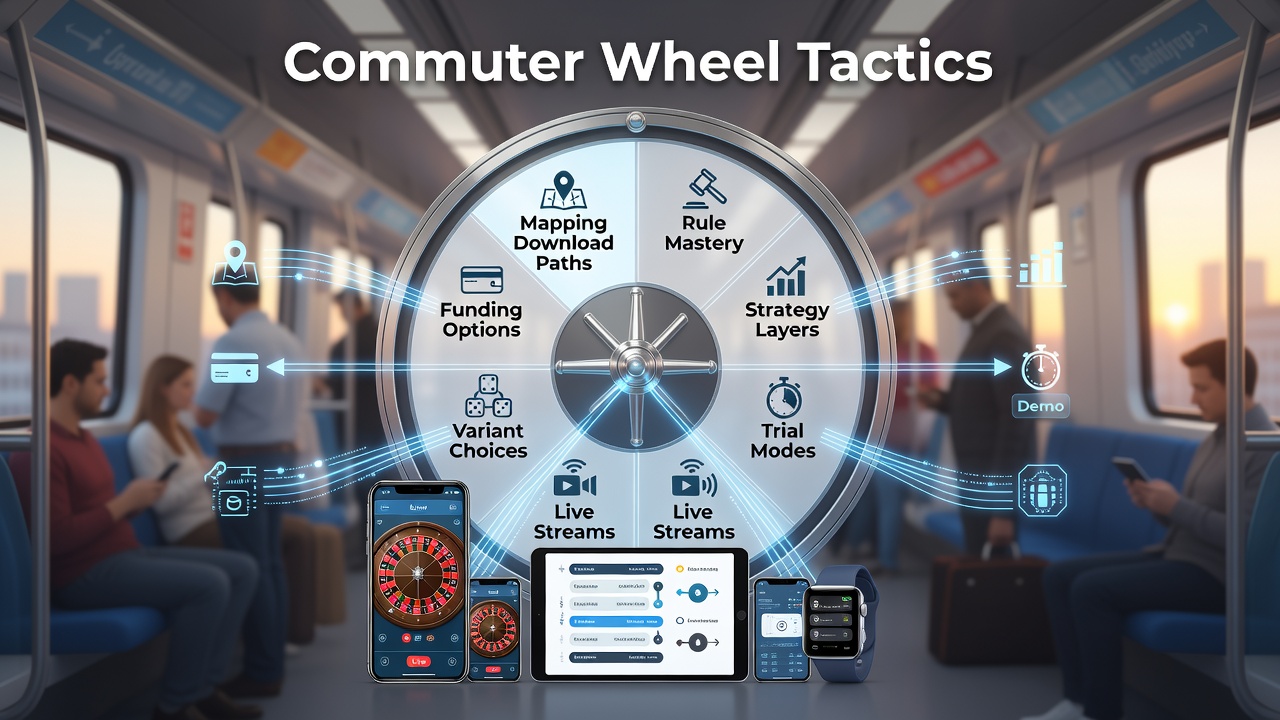
Commuters seeking mobile roulette options encounter structured pathways for app installation that prioritize security protocols and device compatibility. Research from gaming industry reports shows that users typically begin by accessing official app stores or licensed operator websites, where verification steps confirm regional availability and regulatory compliance before any download initiates. Data indicates that in June 2026, download volumes for such applications rose notably among urban transit users who rely on consistent connectivity during peak travel hours.
Installation Pathways and Device Setup
App acquisition follows clear sequences that include account registration, permission grants for storage access, and integration with device operating systems. Observers note that Android and iOS platforms each present distinct verification layers, with users often completing two-factor authentication to finalize setup. Those who've examined usage patterns find that commuters complete these steps in under five minutes when pre-registered accounts exist from desktop versions of the same platforms.
Core Rules and Their Application in Mobile Formats
Standard roulette rules remain consistent across mobile interfaces, encompassing betting on single numbers, color groups, and positional segments of the wheel. Studies from academic gaming research centers reveal that mobile versions replicate these mechanics through touch-based interfaces that mirror physical wheel physics through algorithmic simulations. Players engage with European, American, or French variants by selecting table options that adjust house edge parameters accordingly.
Building Strategy Layers Through Structured Approaches
Strategy development in mobile roulette draws from established betting systems such as Martingale or Fibonacci sequences, adapted for smaller screen interactions. Figures from industry analyses demonstrate that users layer these tactics by tracking previous outcomes within app history features, allowing incremental adjustments during short commute segments. Researchers have documented how mobile interfaces facilitate quick reference to probability tables that support real-time decision adjustments.
Trial Modes for Skill Refinement
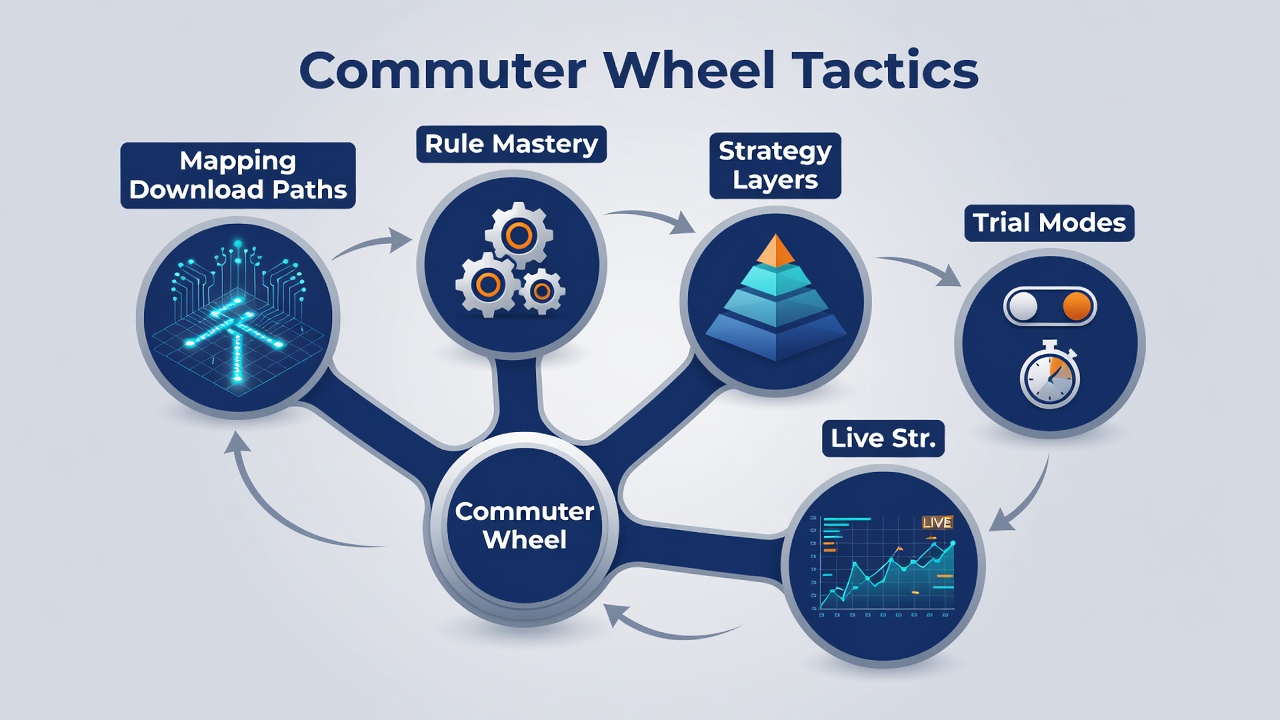
Demo or trial modes provide risk-free environments where users test wheel mechanics and interface controls without financial commitment. Reports from gaming associations indicate that these modes replicate full game cycles, including random number generation algorithms identical to paid versions. Commuters frequently utilize trial sessions to map button placements and betting timelines before transitioning to live environments.
Live Dealer Streams and Real-Time Interactions
Live dealer options integrate video feeds from remote studios directly into mobile applications, maintaining standard roulette protocols under professional oversight. According to data compiled by the Nevada Gaming Control Board, live stream quality has improved through adaptive bitrate technologies that adjust to fluctuating mobile network conditions during transit. Users interact via chat functions or quick-bet overlays that align with the pace of actual wheel spins.
Variant Selection and Game Customization
Available variants extend beyond classic wheels to include multi-wheel formats and themed tables that incorporate additional betting grids. Evidence from university-led gaming studies suggests that commuters often select variants based on session duration, with shorter games featuring accelerated spin cycles suited to brief travel windows. Selection menus within apps display payout structures and volatility indicators to guide choices.
Funding Mechanisms and Transaction Options
Deposit and withdrawal processes incorporate digital wallets, bank transfers, and prepaid card systems that complete within seconds on compatible devices. Industry reports from the Canadian Gaming Association highlight how instant funding tools integrate with mobile apps to support seamless transitions between trial and real-money play. Security layers such as encryption protocols protect transaction data throughout these exchanges.
Conclusion
These elements combine to form accessible frameworks for mobile roulette engagement during commutes, with each component building on verified technical and regulatory foundations. Continued advancements in app functionality align with evolving user patterns observed through aggregated platform metrics.