Charting User Pathways in Mobile Roulette: Registration Flows, Transaction Routes, and Incentive Designs
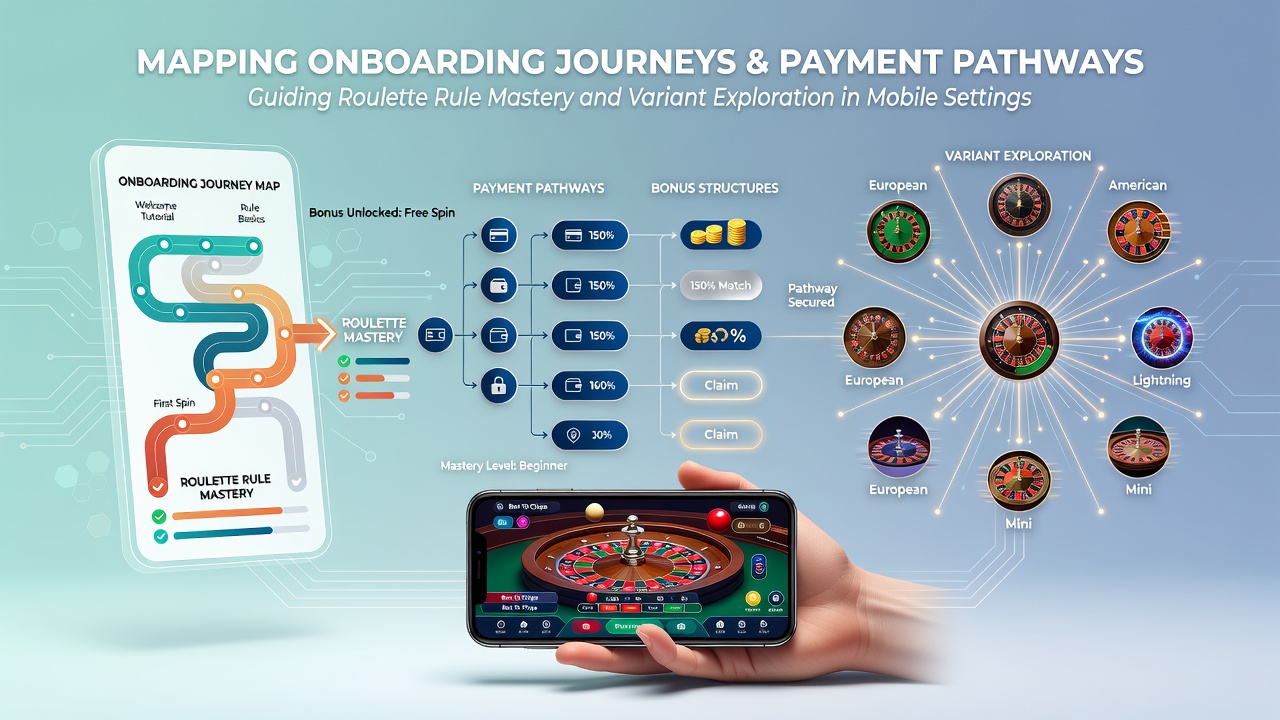
Developers and platform operators track detailed sequences that begin when users first open a mobile roulette application and continue through account creation, verification steps, and initial funding actions. These sequences incorporate data collection forms that request personal details alongside identity confirmation processes required by regional licensing frameworks, and observers note how streamlined interfaces reduce drop-off rates at each stage. In July 2026 analysts from various markets reported continued emphasis on frictionless entry points that integrate biometric options such as fingerprint or facial recognition to accelerate completion while maintaining compliance standards.
Registration Sequences and Initial Engagement Steps
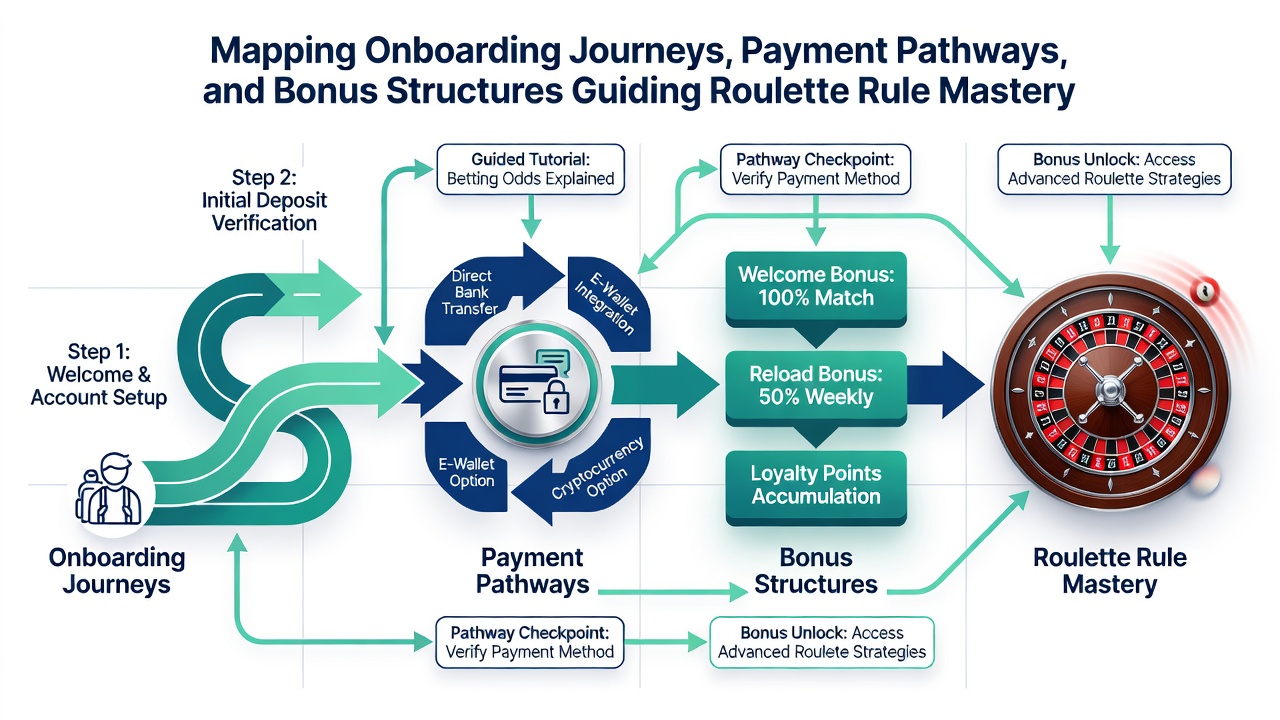
Users encounter structured prompts that guide them from download to active status, and these prompts typically include email or phone verification followed by age and location checks that align with legal requirements across jurisdictions. Research indicates many applications now embed tutorial overlays during the first session, presenting basic wheel mechanics and betting layouts before any real-money activity occurs. Those who study user behavior patterns find that progressive disclosure techniques, where information appears only when relevant, help maintain momentum through the early phases.
Transaction Routes and Funding Options
Payment integration forms a critical segment of the overall journey, with applications supporting multiple methods that range from traditional card processing to digital wallets and instant bank transfers. Data from industry reports shows average completion times for deposits have decreased as platforms adopt tokenization and one-click authorization features. Observers note variations by region, where certain markets favor local banking solutions while others prioritize cryptocurrency gateways for faster settlement. Security protocols such as two-factor authentication appear consistently across these pathways, and developers document how these measures coexist with speed-focused designs to balance protection and convenience.
Incentive Frameworks and Their Influence on Progression
Bonus structures often activate at defined milestones within the onboarding timeline, and these incentives typically include matched deposits or free spin allocations tied to specific game types. Studies from gaming research groups reveal that clear terms displayed upfront correlate with higher retention once users advance to real-play environments. The design of wagering requirements and validity periods receives careful attention, since these elements determine how quickly participants can explore different roulette formats without unnecessary delays. Analysts tracking 2026 trends have documented an increase in tiered reward systems that unlock additional benefits as users demonstrate familiarity with core rules through demo sessions.
Rule Acquisition Through Guided Interactions
Applications embed rule explanations at multiple touchpoints, starting with simple payout tables and advancing to strategy considerations once basic bets receive explanation. Interactive elements such as simulated spins allow users to test outcomes before committing funds, and this approach supports gradual mastery without external instruction. Researchers examining engagement metrics have observed that users who complete these embedded learning modules show greater willingness to experiment with less common betting combinations. Data indicates the presence of contextual help buttons that appear during live dealer sessions further reinforces understanding of house edge calculations and table limits.
Variant Exploration Supported by Platform Features
Mobile roulette offerings frequently categorize European, American, and French layouts alongside themed or speed-adjusted versions, and navigation menus present these options once initial account funding occurs. Bonus structures sometimes restrict promotional play to specific variants, which in turn directs user attention toward particular mechanics such as single-zero wheels or additional betting fields. Experts tracking application analytics note that personalized recommendations based on prior demo activity increase the likelihood of users sampling multiple formats within the first week. Integration with live dealer streams expands this exploration by allowing side-by-side comparison of automated and human-operated tables within the same session.
Conclusion
Mapping these interconnected elements reveals how registration flows, payment mechanisms, and reward designs collectively shape user progression from first contact through rule comprehension and variant selection in mobile roulette environments. Continuous refinement of these pathways, informed by usage statistics and compliance updates, sustains platform functionality across evolving regulatory landscapes.