Charting Mobile Roulette Pathways: Installation Steps, Game Type Choices, Live Broadcast Access, and Protected Payment Routes
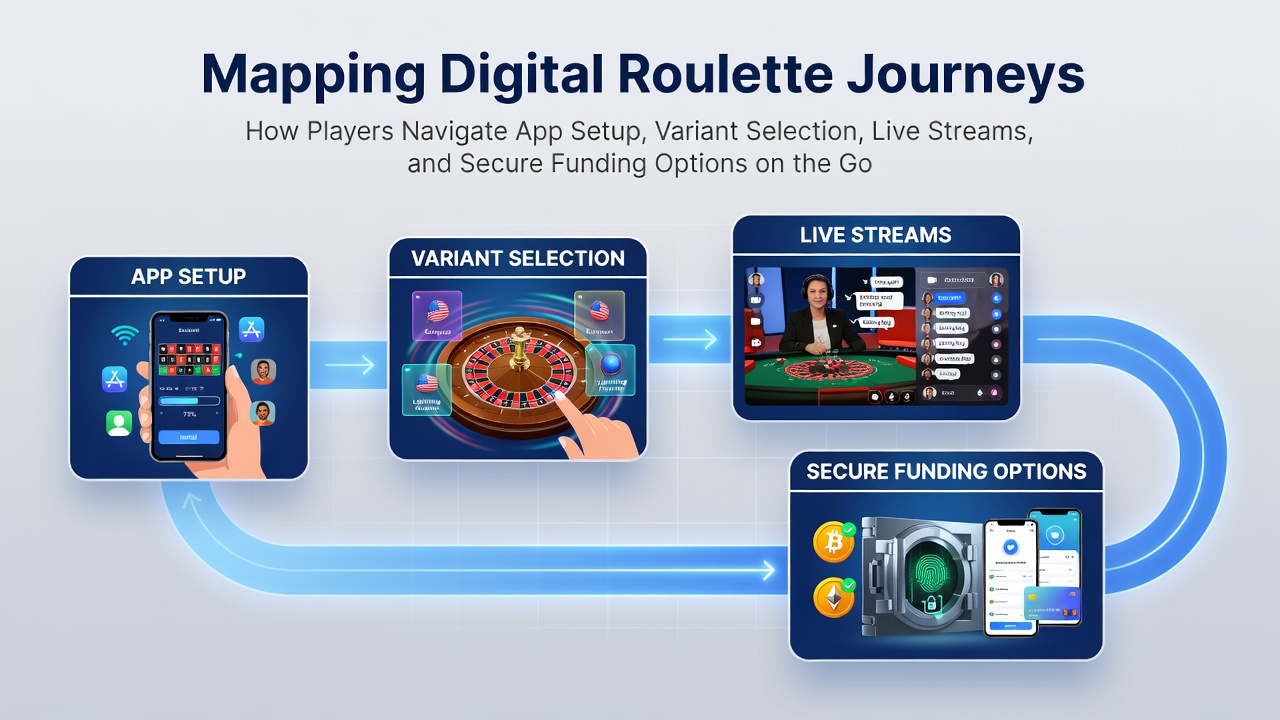
Players begin the process by downloading licensed roulette applications from official stores, and they follow verification steps that include identity confirmation through government-issued documents along with device compatibility checks. Data from industry reports indicates that these initial stages take between five and fifteen minutes when users complete forms accurately, while network connections determine how quickly the software installs across various operating systems. Once the application launches, users encounter tutorials that outline basic controls, and they review terms that cover responsible play features before proceeding further.
Selecting Roulette Variants in Mobile Environments
Application interfaces present multiple roulette formats including European, American, and French versions, and players compare wheel layouts plus payout structures directly on their screens. European wheels feature thirty-seven pockets while American versions include an extra double-zero space, a distinction that influences house edge calculations according to standard probability tables. Users often sort these options by volatility levels or minimum bet amounts, and they access rule explanations embedded within each game tile. Research from the Australian Gambling Research Centre shows that variant selection patterns shift based on device screen size, with larger displays encouraging longer review sessions before commitment.
Accessing Live Dealer Broadcasts During Commutes
Live stream integration allows real-time interaction through high-definition video feeds that connect players to physical tables in licensed studios, and these broadcasts maintain synchronization with betting windows that last thirty to sixty seconds per spin. Participants place wagers via touch interfaces while watching dealer actions, and chat functions enable limited communication with other participants without disrupting gameplay flow. Bandwidth requirements typically range from three to five megabits per second for stable connections, and applications automatically adjust resolution when signal strength varies. Observers note that peak usage occurs during evening hours when commuters return home, yet daytime sessions remain consistent across urban transport networks.
Handling Secure Funding Options on Portable Devices
Payment sections within these applications support multiple methods such as bank transfers, digital wallets, and prepaid cards, and each option undergoes encryption protocols that meet current data protection standards. Transaction times vary from instant deposits for certain e-wallets to one or two business days for traditional bank routes, and users receive confirmation notifications through email or in-app alerts. A study conducted by researchers at the University of Nevada Reno found that adoption rates for contactless payment features increased notably between 2024 and 2026, particularly among users who prioritize speed during short travel periods. Applications also display fee structures upfront, allowing direct comparisons before any transfer begins.
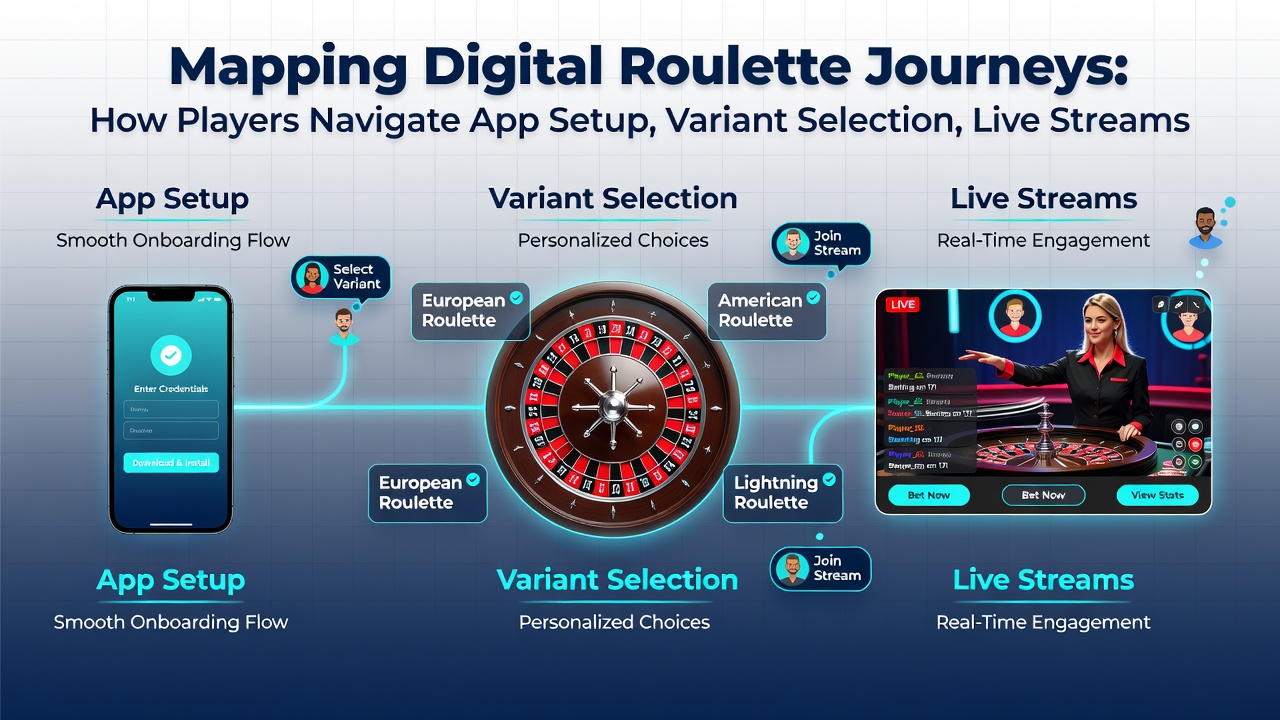
As of July 2026, several platforms introduced biometric authentication layers that combine fingerprint and facial recognition, and these additions reduce unauthorized access incidents according to aggregated security logs from multiple providers. Players navigate funding menus through categorized tabs that separate deposit, withdrawal, and transaction history views, while help sections provide step-by-step guides for first-time users. Integration with regional banking regulations ensures that each method complies with local financial oversight requirements, and automatic currency conversion tools assist international users who travel frequently.
Practical Navigation Patterns Observed Across User Groups
Case examples reveal that frequent travelers often complete app setup during initial commutes and then refine variant preferences during subsequent trips when they have more time to explore rules. One documented pattern shows users testing live streams in demo modes before committing real funds, a sequence that helps them gauge connection stability under different network conditions. Data indicates that secure funding choices correlate with transaction volume, where wallet-based options see higher repeat usage compared to card methods in short-session scenarios.
Those who study mobile gaming trends point out that interface design influences how quickly players move between sections, with intuitive menus reducing time spent on navigation. Applications incorporate search functions for specific variants and filter tools for live tables by language or dealer speed, features that streamline decisions when users operate under time constraints. External reports from the Canadian Centre on Substance Use and Addiction highlight similar efficiencies in other digital gaming sectors, suggesting broader design principles at work across regulated platforms.
Conclusion
The journey through mobile roulette applications follows structured pathways that begin with installation and extend through variant exploration, live stream participation, and secure transaction management. Each stage incorporates verification layers and user controls that align with operational standards observed in the sector during mid-2026. Players benefit from clear information displays and adaptive features that accommodate varying connection qualities and time availability, resulting in consistent engagement across diverse locations and schedules.