Charting Deposit Integration for Multi-Variant Wheels and Live Dealer Access in Mobile Casino Platforms
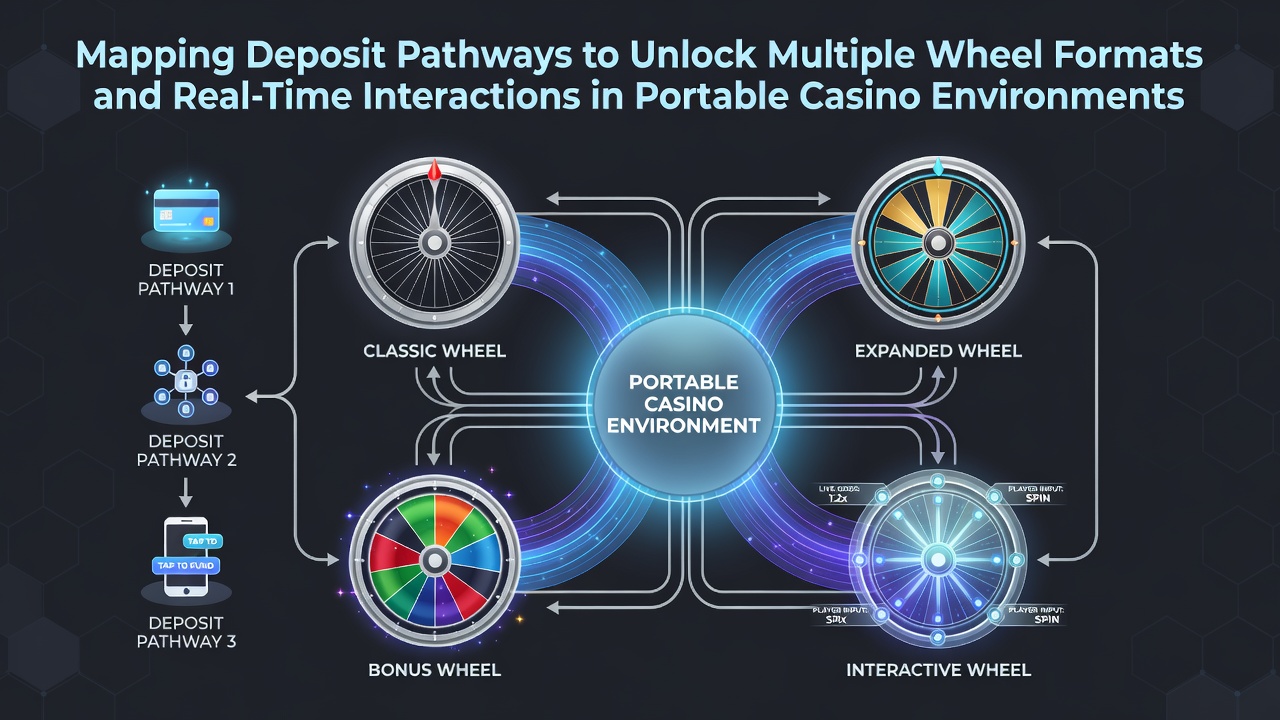
Deposit mapping refers to the structured pathways that connect funding methods with game libraries in portable casino environments, and these systems allow users to reach multiple wheel formats alongside real-time dealer interactions without separate account setups for each variant. Observers note that platforms achieve this through backend routing that tags deposits according to user preferences and regulatory requirements while routing funds to unlock European, American, and French wheel configurations plus live streams in a single session.
Core Mechanics of Deposit Pathways
Payment processors integrate with casino servers through APIs that detect selected wheel types at the point of deposit, and this detection triggers access flags for corresponding game servers. A user who funds an account via a digital wallet sees immediate availability of both single-zero and double-zero wheels because the pathway maps the transaction to variant-specific modules; meanwhile live dealer rooms open once the same deposit clears the real-time streaming layer. Data from industry reports show that such integrated routing reduces session initiation time by aligning funding confirmation with content delivery protocols.
Unlocking Wheel Formats Through Targeted Deposits
Multiple wheel formats require distinct random number generators and payout tables, yet deposit pathways centralize access so one transaction opens all variants. European wheels with 37 pockets become available alongside American wheels with 38 pockets when the mapped deposit includes a flag for full library access, and French wheels with additional rules like la partage activate under the same funding stream. Researchers at gaming technology conferences have documented how these pathways use metadata tags to match deposit amounts with variant permissions, allowing seamless switches between formats during active play.
Real-time interactions depend on synchronized deposit verification that feeds into live streaming servers, and this synchronization ensures video feeds of physical wheels start without lag once funds register. Portable environments rely on low-latency protocols that activate upon deposit confirmation, giving players direct engagement with dealers across different wheel setups. Figures from mobile gaming analytics indicate that platforms employing mapped pathways report higher retention because users avoid repeated funding steps when exploring new variants.
Real-Time Interaction Layers in Portable Settings
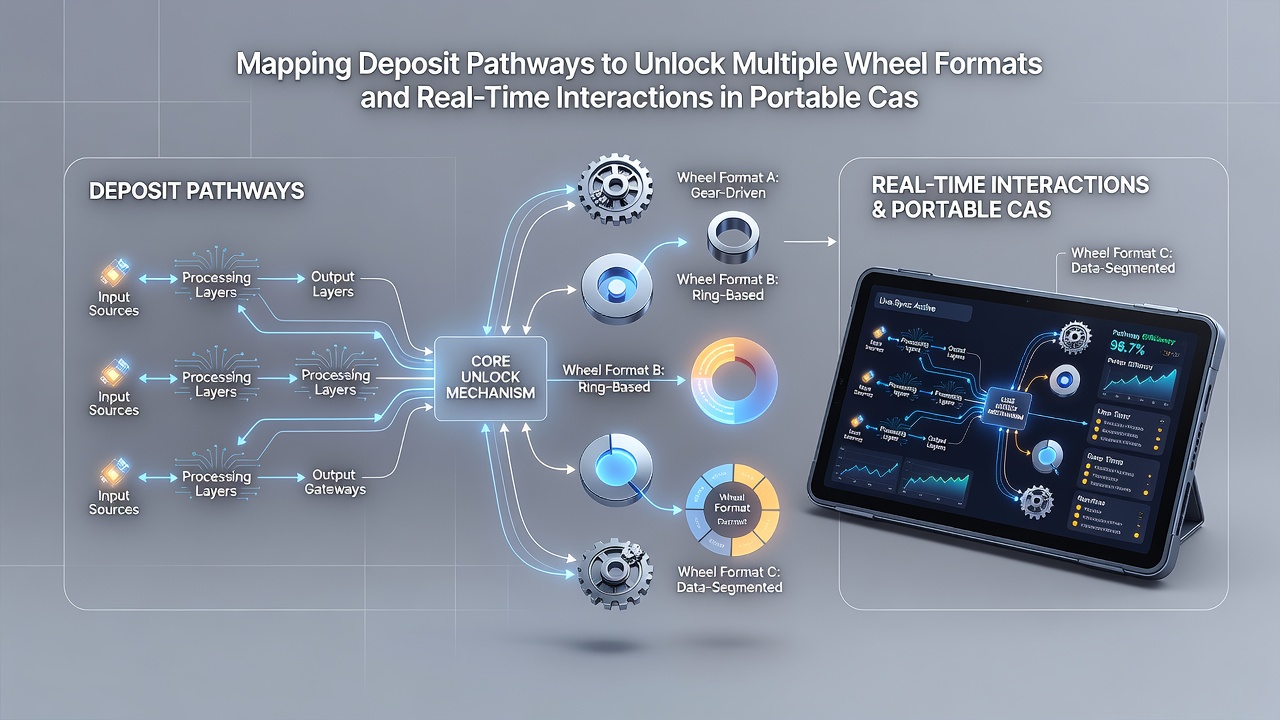
Live dealer streams require continuous data exchange between mobile devices and studio servers, and deposit pathways serve as the entry point that validates user eligibility for these streams. When a deposit routes through a mapped channel it simultaneously authorizes both wheel access and video connectivity, creating a unified session. Those who have examined portable casino architectures note that this dual authorization prevents separate logins for game variants and live tables, streamlining the experience across commute scenarios and extended play periods.
By July 2026 several platforms had expanded their deposit mapping to include region-specific payment rails that comply with varying international standards, and this expansion supported broader wheel format availability in markets outside traditional jurisdictions. Integration with contactless methods and instant bank transfers further reduced friction, allowing real-time dealer interactions to begin within seconds of funding. Studies on mobile gaming infrastructure highlight that such advancements stem from coordinated efforts between payment providers and game developers to align transaction metadata with content servers.
Case Examples of Pathway Implementation
One documented implementation involved a platform that linked e-wallet deposits directly to a selector menu for wheel formats, and users could toggle between variants while maintaining an active live dealer connection. Another example showed integration with prepaid cards where deposit mapping automatically applied regional compliance rules before granting access to French wheel rules alongside American configurations. These cases illustrate how pathways function as gatekeepers that balance accessibility with regulatory alignment across different portable devices.
Technical observers point out that the underlying architecture uses event-driven triggers, so a completed deposit event fires signals to both the wheel database and the live streaming module at once. This parallel activation supports the multiple-format environment while preserving session continuity during real-time play. Reports from technology research groups indicate continued refinement of these triggers to handle higher user volumes without interrupting dealer interactions.
Conclusion
Mapping deposit pathways establishes a foundation for accessing varied wheel formats and live interactions within portable casino environments by aligning funding processes with game and streaming servers. The approach relies on metadata routing, API integrations, and synchronized verification that together enable efficient transitions between European, American, and French wheels while maintaining real-time dealer connections. As platforms refine these systems through 2026 and beyond, the focus remains on technical compatibility across devices and payment methods to support uninterrupted play sessions.